Deadly Flora; New Zealand’s Nasty Natives

Posted by Robert Vennell @RobertVennell

The wildlife of New Zealand often seems pretty tame, especially in comparison with our Aussie neighbours. In Australia, everything can kill you – crocs, spiders, snakes, jellyfish and even octopus. In contrast, New Zealand is a land of flightless birds and frisky parrots. Other than the weather, wasps and the odd feral pig, there is little to fear when tramping out in the wilderness. But while we may be lacking in ferocious beasts – we do have our fair share of deadly plants.
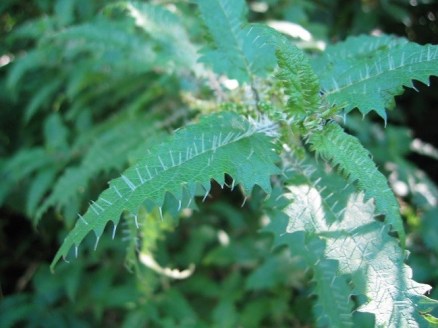
Ongaonga

The toxin from five Ongaonga (Urtica ferox) spines is enough to kill a guinea pig

Native plants can pack a serious poisonous punch, and death is by no means quick or
pleasant. Take for instance Ongaonga, the New Zealand tree nettle. It’s covered in an array of poisonous syringe-like spines. When an unfortunate victim disturbs the plant, the spines are released – injecting them with a potent cocktail of toxic chemicals that attack the nervous system. In high doses, the victim loses motor coordination and convulses violently. The toxin from just five of these stinging spines is enough to kill a guinea pig and there has been one reported death in modern times1.
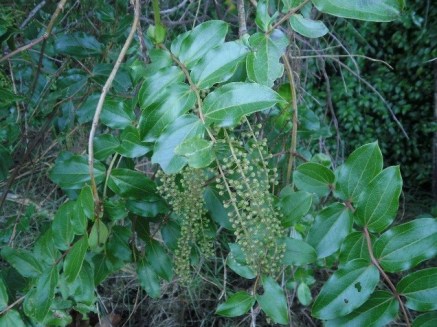
Tutu

The seductive Tutu (Coriaria arborea) makes killer pies. Literally.

Perhaps even more deadly is the seductive Tutu. It can be seen dangling bunches of delicious purple grape-like fruit along river valleys. But while the succulent flesh of the berry is edible, accidentally eat the tiny black seed and it might be the last thing you ever do. The seed, leaves and stems all contain the powerful neurotoxin Tutin, which send the body into violent neuromuscular spasms. The plant is completely unforgiving – and has claimed the lives of a number of settlers who tried to make tutu beer and pies2. Recently, a tramper cooked and ate a tutu shoot mistaking it for supplejack. He was sent into violent convulsions which dislocated his shoulder, but thankfully survived the ordeal.

Karaka

The humble Karaka (Corynocarpus laevigatus) – underestimate it at your peril.

Or how about the humble karaka berry? Inside the bright orange flesh of this classic coastal tree is a kernel packed full of the neurotoxin Karakin. Eating the kernel without proper preparation could render you permanently paralysed, as the neurotoxin causes violent convulsions which can bend bones out of place2. Human poisoning is fairly rare nowadays, but a number of dogs have been poisoned, including Mungo, Malo and Honey Bear.

Considering the deadly nature of some of our native plants, it’s surprising that they don’t have greater recognition. Thankfully however, it’s pretty easy to avoid these plants and fatalities are pretty rare. But if like me, you enjoy munching your way through the forest – it’s a healthy reminder that New Zealand wildlife can be deadly, particularly if you’re putting it in your mouth.

Robert Vennell - Hunua Ranges Berry collection

A collection of (mostly) edible plants from a recent field trip to the Hunua Ranges.


1
Connor, H.E. 1997. The poisonous plants in New Zealand. Wellington, Government printer.
2 Crowe A. 1981. A Field Guide to the Native Edible Plants of NZ. Penguin Books.
3 Riley M. 1994. Maori Healing and Herbal. NZ Ethnobotanical Sourcebook. Viking Sevenseas NZ Ltd.

Robert VennellRobert Vennell is an MSc student in the Centre of Biodiversity and Biosecurity, University of Auckland studying the impacts of wild pigs on native forests. He is supervised by Margaret Stanley, Mark Mitchell (Hawkes Bay Regional Council),Cheryl Krull (AUT) and Al Glen (Landcare Research). He also writes about the history, meaning and significance of New Zealand’s native tree species at www.meaningoftrees.com

Is mist netting safe for birds?

Posted by Carolina Lara @carislaris

An amazing advantage of having collaborated in avian studies in different countries is that I have learnt a range of different techniques people use to carry out ecological research. Of particular interest to me, given the nature of my PhD project, is the capture of birds using mist nets, better known as mist netting. Mist netting is a common technique for monitoring avian populations – it can provide data on population density and demography, but it also allows researchers to collect morphometric data and blood and faecal samples, attach devices and gain information about the birds’ feeding habits.

Poo

Bird poo collected to analyse feeding habits in urban forest fragments

Mist netting is labour intensive, especially in a natural environment such as a forest.  It requires looking for the most suitable location to place the mist nets, putting the nets up and then waiting to capture some birds (usually between 7–8 hours effort). The mist net set up (number of nets, timing) will vary according to the target species, the type of habitat, and the research questions being asked.

To me the beauty of mist netting is having the chance to hold a bird (yes, even that vicious tūī ). However, a high level of expertise is required to avoid injuries to the birds. Once captured in a mist net, a myriad of external factors (e.g. time of day or human error during handling) can affect the bird’s wellbeing. Nevertheless, it is an extensively used capture technique, so how safe is it?

IMG_1990

Often people are too scared to come close to a captured tui

An interesting study quantifying rates of bird mortality and injury for 22 banding organizations in Canada and the United States showed that the average rate of bird injury and mortality from 620,997 captures was less than 1%. The most common incidents were wing injuries, stress, and cuts, with heavier birds more prone to incident within and among species. While the study found risks to birds are low, it is highly advised that new bird handlers are properly trained in mist netting techniques so they can safely extract and process birds captured in mist nets.

Mist netting is the part I enjoy the most about my research and has given me the opportunity to work with volunteers who enjoy this as much as me. For me mist netting is not only about collecting data for my study, but is also about engaging different people with real-life conservation.

Net

Decreasing the handling time of a captured bird is important to reduce risk of incident


Calis

Carolina Lara M. is a PhD Candidate within the Centre for Biodiversity and Biosecurity, School of Biological Sciences, University of Auckland. Her research interests focus on seed dispersal networks within fragmented landscapes. She is supervised by Margaret Stanley,Jason Tylianakis, Karine David, and Anna Santure.

Are we ready for more weeds with a changing climate?

Posted by @mc_stanley1

Here in Auckland it appears that home owners want to pretend they’re always on that tropical holiday in Queensland. Aucklanders seem to have an unhealthy obsession with palm trees.

palm house

An example of an Auckland house with a tropical paradise & an exotic palm obsession

Unhealthy you say? Well, apart from the nasty injuries as a result of phoenix palm spines, I don’t mean unhealthy for people – but some introduced palms are certainly unhealthy for our native ecosystems.

The downside of wanting to retain that tropical holiday feeling around our houses, is that several introduced palms and other subtropical/tropical species have been planted in large numbers over the last decade, and several are showing signs of being ‘weedy’. The species we are most worried about are the ones that produce fruit that birds love eating and dispersing (think phoenix palm), and that are shade tolerant. Seedlings and saplings of shade tolerant species, such as bangalow palm, can germinate and grow inside native forest fragments, and can easily outcompete our native nikau palm.

palms

A) Juvenile bangalow palm (Archontophoenix cunninghamiana) growing in an Auckland forest fragment. B) Bangalow and nikau seedlings growing side by side in a fragment – correct identification is difficult for community weeding groups.

While this spread is happening right now, we know that these subtropical/tropical species will be more successful and invasive in an increasingly warmer New Zealand – with the advance of climate change. Just a few less frosts per year is likely to mean that these species survive the winter and become more abundant and spread further south as conditions change.

So are we ready for this?

We don’t think so.

Christine Sheppard, Bruce Burns and I have recently written a ‘forum article’ in the New Zealand Journal of Ecology, where we raise this very issue. Despite knowing this will happen, and that we’ll have a whole lot more weeds to manage in the future, there’s not a great deal of tangible action. That’s because we currently have >400 environmental weeds we are already dealing with, and the thought of trying to pre-emptively manage more is frankly overwhelming.

There are things we can do though:

  • Include climate change in our current prediction and prioritisation processes, i.e. incorporate a ‘climate change factor’ into estimates of ‘predicted land infested’, and prioritise species likely to be weedy in our regions with fewer frosts and warmer temperatures;
  • improve funding streams for weed surveillance – so we can detect and manage these species before they take off and become unmanageable;
  • robust use of citizen science weed surveillance to increase NZ’s surveillance capacity;
  • raise awareness of the danger of increased ‘weediness’ under climate change and take a pre-emptive strike by educating the public about their plant choices and prevent invasion by banning high-risk species.


The last point is probably the most important. How can we change behaviour and have a conversation with the public about their plant choices? I don’t want to rain on anyone’s ‘tropical parade’, but really New Zealand, it’s time to wake up – leave those tropical paradises in the tropics and protect NZ.


Do we want those Aussie palms?

Yeah nah! No more palmsies for you.


Publication:

Sheppard CS, Burns BR, Stanley MC. 2016. Future-proofing weed management for the effects of climate change: is New Zealand underestimating the risk of increased plant invasions? New Zealand Journal of Ecology 40: http://newzealandecology.org/nzje/3279


me2smallDr Margaret Stanley is a Senior Lecturer in Ecology, School of Biological Sciences, University of Auckland and is the programme director of the Masters in Biosecurity and Conservation. Her interests in terrestrial community ecology are diverse, but can be grouped into three main research strands: urban ecology; invasion ecology; and plant-animal interactions.


SONY DSC


Dr Christine Sheppard is a former member of the Ecology Ngātahi lab group, completing her PhD on the invasiveness of newly established alien plants under different climate change scenarios. She is now a postdoctoral fellow at the University of Hohenheim in Germany.

Care for the ‘creepy-crawlies’

Posted by Keely Paler, @keely_paler

Climate change. It is something that almost everyone has heard of. There are 226,723 articles on Scopus using this key word and it is widely talked about by everyone from John Oliver to Alice Baranyovits. It is essentially the result of excess greenhouse gas emissions, which causes a range of changes including increased temperature, shrinking glaciers and altered nutrient stores. Whilst many of my friends think that these warmer temperatures will be awesome and that it’ll allow them to sunbathe more, not all species agree. It is likely that these changes will impact a wide range of environments and species.

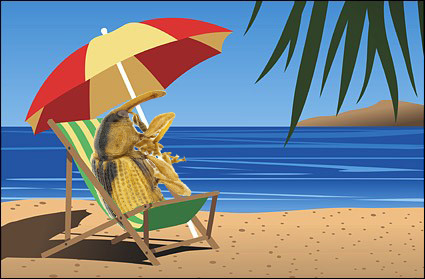
sunbathing weevil copy

Not all species think that climate change will be awesome

Most climate-change attention tends to focus on big, charismatic species because they are easily noticeable and intrinsically interesting. For example, we would immediately notice an elephant in a room and wonder why it’s there, but we are a lot less likely to see or care about a ladybird. However, we should care about insects because they have many significant ecological roles, economic impacts, and interesting stories. And it is likely that climate change will impact these ‘creepy-crawlies’ because temperature plays a big role on their development, reproduction and survival. Unfortunately, climate change research rarely focuses on native invertebrates.

elephantWhat do you notice first? The elephant or the beetle? Does this mean that the elephant matters more?
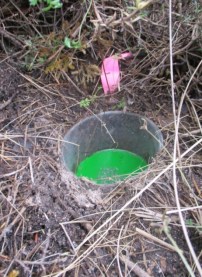
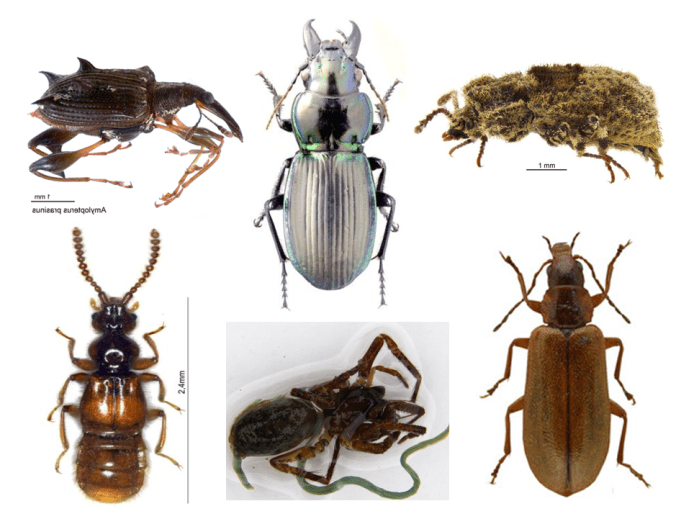
This is where my master’s research comes in. We are trying to determine the impact of climate change on alpine beetle communities by manipulating temperature and nutrient levels around individual tussock grasses. We then used pitfall traps to collect the associated beetle communities. These traps are holes in the ground used to trap invertebrates. This allows us to see what sort of beetle species are in the surrounding area. So far, I have sorted over 12,000 beetle specimens into 137 different species and will shortly begin making comparisons between communities.The aim of this, is to determine whether these beetles communities are different if they are subjected to two components of climate change.

pitfall trap drawing          pitfall

Beetles are not the smartest creatures, and will fall into these pitfall traps, without realising that they are there. This allows us to passively sample invertebrates.

Whilst sorting through these beetles may sound like the most boring thing ever, I have started noticing all these cool creatures that I probably would’ve otherwise ignored. I guess that I have begun to like these creepy-crawlies and really think that they should be protected from Climate change.

Cool stuffSome of the cool things which I have discovered in the pitfall traps
Keely Paler is an MSc student in the Centre of Biodiversity and Biosecurity, School of Biological Sciences, University of Auckland. She is supervised by Darren Ward, Rich Leschen and Adrian Monks (Landcare Research) examining climate change and alpine insects.

Alien invaders – Where should we focus?

@z_w_mcgrath

If you only read the title of this post, you may have thought it was referring to the green men from the show X-FILES or maybe you envisioned invasion by human immigrants making Donald Trump pull out his luxurious locks .

However, it is not the extra-terrestrials or human immigrants I am referring to but the invasive species that are costing us billions of dollars, the ones that we have helped cross our borders, the vines, mosquitoes, ants and the like that now thrive in a novel environment.

trump

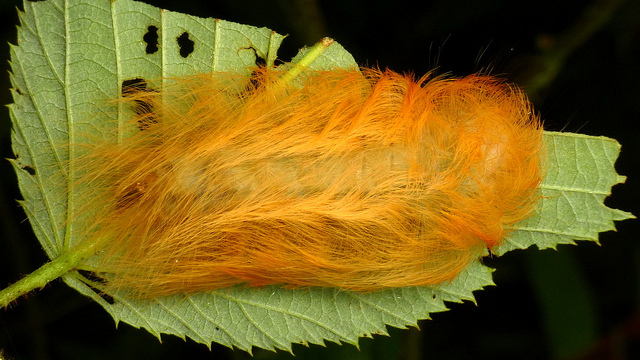
Megalopyge albicolis (a butterfly, pictured here as a caterpillar)-although not currently deemed an invasive species, I’d say it would be on some peoples ‘unwanted species list’ based on the resemblance to Mr Trump’s hair. Image by Andreas Kay (CC BY-NC-SA 2.0).

While we should be concerned about non-native species, we need to remember that some actually contribute positively to the environment and people’s every-day lives. The first example that comes to mind are those non-native species deliberately introduced to control pests to appropriate levels, commonly referred to as biocontrol agents.

The non-native species we should worry about are those that displace our native species, undermine ecological services, negatively affect the economy and threaten human health. It is these species that begin to be recognised as ‘invasive’ (the term for a non-native species causing undesirable effects) by fellow humans.

New Zealand is home to thousands of non-native species. In fact we have hundreds just from one order of insects (see Darren’s blog post).  This is coupled with growing costs of control and mitigation.  The fact is we cannot control all non-native species.  Therefore, management should use a prioritisation approach, such as managing invasive species likely to have the greatest impacts on native biodiversity.

argentine ant

Argentine ants have invaded parts of New Zealand and are recognised as one of the world’s worst invasive species by the World Conservation Union.  Image by Pedro Moura Pinheiro (CC BY-NC-SA 2.0)

I know what you’re thinking Mr Trump, but we can’t make them pay for their own control and building a wall isn’t going to solve the issues already in the country.

This is why as part of my Masters project I am creating an alternative method to assess the risk of non-native species. It is proposed to be used as a tool for management prioritisation for those species most negatively competing with our native species, as well improving our standards on importing and releasing biocontrol agents into New Zealand.

zzzZane McGrath is an MSc student in the Centre of Biodiversity and Biosecurity, School of Biological Sciences, University of Auckland. He is supervised by Darren Ward, Graham Walker and Frances MacDonald (Plant and Food Research, Auckland) examining parasitism by exotic species in native environments.
Mentors, role-models and sponsors – who’s on your team?

Posted by Cate Macinnis-Ng, @LoraxCate

Just as it takes a village to raise a child, it takes a team of mentors, role models and sponsors to raise a successful scientist. It pays to be a bit strategic about building your support team. So what’s the difference between these roles and how do you find them?

Mentors

A mentor is generally someone who uses their own experiences to advise someone else. We often think of mentors as older and wiser than the mentee but peer-to-peer mentoring can also be very effective.

Finding a mentor

Mentoring is part of the supervision process so postgraduate students have ready-made mentors. Similarly, postdoctoral fellows often have an advisor who can also act as a mentor. But what happens if you would like a mentor for a specific issue? People from minority groups or studying while raising a family might benefit from talking to someone has been through similar experiences. Many institutions offer formal mentoring schemes but you can also ask your supervisor or research group head to make suggestions. Sometimes a mentoring relationship won’t work out and sometimes it will be a fruitful enchange that will last years. It’s important to remember that there is a difference between a mentor and a councillor. Don’t be offended if a mentor suggests you see someone professionally if you are facing extreme challenges.

Many professional societies have mentoring schemes.

The British Eclogical Society has a mentoring scheme for women.

The Ecological Society of America Early Career Section has a mentoring program at ESA 2016.

The NZ Ecological Society has a mentoring scheme for PhD students learning the ropes for reviewing.

Getting together with a group of peers for a monthly morning tea or lunch can be very rewarding. Just make sure the experience is mostly positive and uplifting, a circle of niceness. More ideas on peer mentoring can be found in this handbook.

Role models

A role model is someone you would like to emulate. Often they are more advanced in their career and they may have achieved something you would like to suceed at one day. They may be particularly good at balancing work and outside life, maybe they have recently transitioned to a permanent position or they may have been awarded a presigious fellowship. They might write an inspiring blog or have a media profile. They have pathed a path you would like to follow.

You often won’t know your role models personally but you know of them and their achievements. Role models are inspiring because they show you that it can be done. As an undergraduate, I had only two female lecturers and neither of these women had children. These days, finding role models is usually reasonably straight-forward. Twitter and conferences are good places to start. Good role models may have a prominent online presence or present plenary talks at conferences. They could also be a senior academic, head of school or dean in your own institution. Meeting and getting to know a role model can also be an inspiring experience so don’t be afaid to approach a role model at a conference or reach out on Twitter. Hopefully they will turn out to be friendly and engaged!

For some great female role models in New Zealand, profiles of women in science, technology and engineering can be found on the Curious Minds website.

Sponsors

A sponsor is sometimes also known as a champion because they will champion your cause. A sponsor suggests you for roles and acts as your advocate. They are a public supporter while the mentor-mentee relationship is less visible. A sponsor is particularly difficult to aquire because you can’t really approach someone to be your sponsor, it generally has to be initiated by the sponsor. This piece for the Association for Women in Science calls on senior women to act as sponsors to advance women in science.  And this piece from the Harvard Business Review has some interesting ideas on sponsorship from business.  Also in the business world, women are ‘over-mentored and under-sponsored’ and the same may be true in science. It takes a particular type of person to act as a sponsor. Perhaps looking around and discovering who acts in that way in your research field or institution is a good place to start. Impressing the sponsor can take time.


So, who’s on your team? Research tells us that mentors are particularly important for women and other minority groups but science and academia are challenging for anyone so everyone can do with a helping hand. Don’t be shy about asking for help, you will find many mentors find helping the younger generation very rewarding. Chances are they have benefited from mentoring themselves and will be happy to pay it forward. If all else fails, you can always bribe them with cake!

Further reading…

The Dynamic Ecology blog has a great post on getting the most out of peers, mentors, role models and heroes in Science.

This piece from Science has a wealth of information on first hand experiences of mentoring.

While in this collection of interviews, women from Oxford University talk about their mentors, role models and sponsors.

Thanks to Anna Paula Rodrigues for a Skype chat that provided the inspiration for this post.

Dr Cate Macinnis-Ng is a Senior Lecturer and Rutherford Discovery Fellow, School of Biological Sciences, University of Auckland.  She is a plant ecophysiologist and ecohydrologist working on plant-climate interactions.


“Just kill the bastards.”

Posted by Theo Van Noort @TVanNoort

I’ve heard this frequently of late, particularly when I tell people I study wasps. It’s a widely held sentiment here in New Zealand, a loathing barely matched by feelings directed towards the infamous possum.

Of course, there is something particularly terrifying about a creature that not only stings repeatedly but can also fly (read: stings to the face, shoulders, knees and toes – no problem). Pair this with a temperament more volatile than a rest-home pumped on prune juice and you can see why wasps might have garnered this reputation.

To clarify, it’s not New Zealand’s assemblage of solitary native wasps causing such affront (read earlier blogs by Tom and Zane), but rather invasive German (Vespula germanica) and common (Vespula vulgaris) wasps. These social wasps build nests and have distinct caste systems dividing the role and function of each individual in the colony.

Vesp kills Apis HB

A German wasp attacks and kills a honey bee (Apis melifera). Beekeepers lose approximately $9 million a year solely from wasps attacking honeybees, robbing honey and destroying hives. Photo credit: Henry Bennett

These two species present an unprecedented problem to New Zealand because they thrive in competition against our “naïve” flora and fauna. Vespula wasps are generalist predators and have great ecological plasticity: they can adapt and change their behaviour to best utilise the resources available in a given environment. Long story short, they decimate invertebrate populations via predation, dominate important carbohydrate resources such as honeydew in beech forest, and probably pose a direct threat to native vertebrates like lizards and birds. Moreover, public health, recreational needs and economically important industries such as horticulture, apiculture and silviculture are also detrimentally affected by Vespula wasps. In dollar-speak: ~$130 million dollars in damage per year. 

Vesp cent

Vespula wasps butchering a giant centipede.

Given these traits, it’s easy to understand the enormous need to develop new tools with which to control Vespula wasp populations.

Earlier this week I had the opportunity to attend an open workshop run by the Wasp Tactical Group in Wellington: Tactics and Tools to Reduce the Pain of Pest Wasps in NZ. This workshop brought together scientists and other interest groups from a range of different organisations to collaborate and update the current status and future prospects of Vespula control. Despite the variety of backgrounds within the group, everyone was unified by this desire: to reduce the immense damage caused by Vespula wasps.

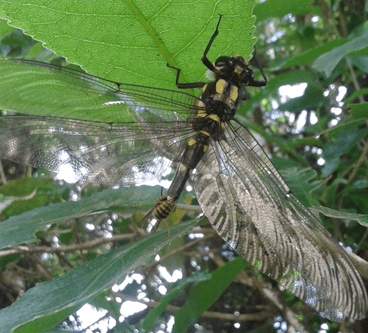
Vesp on Odonata

Vespula wasp attacks a giant bush dragonfly (Uropetala carovei). New Zealand’s invertebrate fauna are “naive” to aggressive social insects- their evolutionary history has left them defenceless to Vespula.

Through the day we heard from the different scientists about the range of tools under development by the Bioheritage National Science Challenge  for this very purpose. These control tools include the Trojan female technique, biocontrol using mites, manipulating behaviour using pheromones and semiochemicals, and targeted chemical baits. It also includes a modelling component to understand how these different tools might be used and integrated. Further to this is developing an eradication strategy, perhaps following the tradition of mammalian pest eradications which first targeted small islands.

While acknowledging the hurdles ahead, the floor was optimistic, particularly around the success and public interest to date in Vespex . Vespex, an insecticide developed by Merchento, has proven effective for drastically reducing the abundance of Vespula wasps in areas where it is applied whilst leaving other insects like honeybees unharmed. While Vespex is by no means a silver bullet, if coupled with these other techniques still under-development we may have a good chance at “reducing the pain” of these pest wasps.

Or, in other words, killing the bastards.

Theo image

Theo Van Noort is an MSc student in the Centre for Biodiversity & Biosecurity, School of Biological Sciences, University of Auckland. He is investigating the attractiveness of different lures to Vespula wasps, as well as their potential role in pollination and seed dispersal. He is supervised by Jacqueline Beggs and Imogen Bassett

To deceive or not to deceive

Posted by Emma Bodley (Twitter @ebodley)

When you think of an orchid what usually comes to mind are the beautiful showy plants such as the moth orchids that most people have on the dining room table or in the guest bathroom.

Phalaenopsis_amabilis_Orchi_03

A moth orchid, by Orchi – Self-photographed, CC BY-SA 3.0, https://commons.wikimedia.org/w/index.php?curid=3126890

In the research world these are also the same orchids that get all the attention. But the New Zealand orchid diversity is more understated, usually terrestrial green plants blending into the forest floor. As ecologists we know very little about NZ orchids in general and there are many forms that are yet to even be formally named.

Our recently published paper reveals some of the secrets about the

greenhood flower

The greenhood orchid Pterostylis brumalis

phenology and pollination system of one native greenhood orchid Pterostylis brumalis. What pollinates them? How do their pollinators know where the orchids are? Do they use sexual deception – tricking male pollinators into visiting the flowers like some other orchid species do?

We followed the phenology of this winter-flowering orchid closely, trapped for pollinators using sticky traps and assessed the natural seed set of a population. Problem was, pollination was extremely limited in the two populations we studied. We only collected only one insect, a female fungus gnat, that had interacted with a flower and was carrying pollen. As a consequence, natural fruit-set was low, averaging only 2.6%. In contrast, when we hand-pollinated flowers we achieved 66.7% fruit-set. It remains a mystery as to what naturally pollinates this species.

One of the harder areas to investigate is the theory of sexual deception in greenhoods. Usually orchids that trick male pollinators into visiting their flowers produce a scent that mimics that of a female. We wanted to look for evidence in the flowers that this is a possible mechanism for attracting male pollinators. Studying the colour and micromorpholgy of the flower showed some interesting features. We were looking for scent glands where the scent could be released from. We found some hairs that could perform this function, but most likely guides the pollinators into the centre of the flower down to the pollen. We didn’t find sufficient evidence to prove that sexual deception is really happening in this system. There are still plenty of avenues to research to get a better understanding of orchid pollination.

SEM greenhood orchid.PNG

SEM images of Pterostylis brumalis. A, Lateral sepal tip; B, labellum; C, labellum; D, trichomes on labellum.

Bodley, E., Beggs, J., Toft, R., & Gaskett, A. (2016). Flowers, phenology and pollination of the endemic New Zealand greenhood orchid Pterostylis brumalis. NZ J Bot, 1-20.
Emma2

This research was undertaken while Emma Bodley was an MSc student at the Centre for Biodiversity & Biosecurity, School of Biological Sciences, University of Auckland. She successfully completed her study and is now a Botanical Records and Conservation Specialist at Auckland Botanic Gardens. She was supervised by Anne Gaskett and Jacqueline Beggs.

Aliens in Our Backyard: Parasitoid Wasps (and How to Catch Them)

Posted by Tom Saunders.

The eponymous extra-terrestrial from the Alien film franchise struck terror into our souls –razor sharp teeth, acid for blood, and an unusual capacity for memorising the layout of ventilation shafts. But it had another interesting trait – it had a parasitoid life cycle. A parasitoid is an organism that spends its juvenile life stage feeding on the body of a host. While a parasite allows its host to live, a parasitoid does not. It emerges from its dead host in a similar way to how the alien bursts out of the chest of a helpless crew member. But while the ‘xenomorph’ was a frightful fantasy dreamt up by Hollywood, parasitoid wasps are important creatures that live all around us, and we should try to understand them.


xanthocryptus

Lemon tree borer parasite (Xanthocryptus novozealandicus), a native New Zealand parasitoid wasp. Image © by Pete McGregor. Image licensed under Creative Commons Attribution-NonCommercial 4.0. .


Parasitoid wasps are potentially the most diverse group of organisms in the world (sorry beetle fans). They are abundant, they are crucial to the functioning of ecosystems, and they can be used by humans to control pests which damage food and other crops. Despite all this, they are incredibly understudied and there is still much that we don’t know about them on a global, regional, or even local scale. As with any species, the first step in collecting information on parasitoid wasps is to sample their diversity, in order to construct an inventory of species and to monitor how their diversity changes over time. The problem is:

  • How many samples should you take?
  • How many traps should you use?
  • How long should you leave the traps out for?
  • How much diversity can you expect to catch?
  • How many traps are required to achieve the level of diversity you want?


netelia

Netelia sp., a native New Zealand parasitoid wasp. Image © by Pete McGregor. Image licensed under Creative Commons Attribution-NonCommercial 4.0. .


By employing some of the concepts from optimal sampling theory, we can analyse the results from preliminary sampling and incorporate them into a new program that can tell us the answers to these questions. My master’s is tackling how this issue relates to New Zealand’s parasitoid wasps. I’ve collected my insect samples, and now I’m identifying the parasitoid wasps. Once that is complete, I’ll prepare some analyses which will help to build a foundation for the future study of these amazing insects.


Me setting up a malaise trap at the Oratia field site.


Once we know how to sample efficiently for parasitoid wasps, future work can look at some other interesting questions related to this group. For example, someone could look at how useful the NZ fauna would be as indicators of environmental quality, or surrogates for the diversity of other groups. This would help immensely in the selection of species and habitats to include in conservation planning. Who knows, you could be the one!


TomSaunders

Tom Saunders is a Master’s student at the Centre for Biodiversity and Biosecurity, within the School of Biological Sciences, at The University of Auckland. He is supervised by Dr Darren Ward (Landcare Research). You can find out more about Tom and his research at TomSaunders.co.nz
According to dung beetles, dinosaur poo smelled of roses

Posted by Jamie Stavert @jamiestavert

It seems ironic that dung beetles, a group of insects best known for their fondness of other animal’s excrement, can attribute their proliferation to the diversification of flowers. A recent study by Nicole Gunter and colleagues shows that the explosion of dung beetle diversity in the Cretaceous was due to a change in dinosaur diet to the newly evolved flowering plants. This low fibre, high nutrient dinosaur diet produced dung that dung beetles found more palatable and probably more appealing than bland, chewy conifer-containing crap.

Burrowed deeply within this fascinating story are New Zealand’s 15 curious and enigmatic dung beetle species, which probably evolved for 80mya in post-Gondwana isolation. It is unsurprising therefore, like many of NZ’s biological oddities, that NZ’s dung beetles are globally unique. Native NZ dung beetles are small, flightless, forest dwelling and, unlike their distant continental relatives, enjoy munching on bird poo (although, as we discovered, they’ll eat almost anything). Interestingly, birds are basically shrunken dinosaurs, so bird poo probably isn’t that different from what dinosaur poo would’ve been like. Following the extinction of dinosaurs, further diversification of dung beetles was elicited by the radiation of mammals (almost everywhere but NZ). But because they did not have the smorgasbord of poo that was available to dung beetles elsewhere in the world, the NZ taxa are relatively species poor.

P1010241

Dung beetles in Africa have access to large herbivore poos, while New Zealand species have to scrounge on bird crap and other rotting scraps

And there’s another twist to the story: despite the extinction of most native birds from the NZ mainland, native dung beetles are often recorded in massive numbers. This begs the question: without native bird dung, what are these dung beetles eating and what is their ecological role?

We found that NZ dung beetles feed on a range of native reptile, bat, bird and insect dung and dead animals (basically everything that was put in front of them). We also showed that NZ dung beetles enjoy calamari, happily consuming the rotten squid that we fed them. Accordingly we suggested that NZ dung beetles evolved a broad generalist diet due to the lack of mammal poo. We also proposed that NZ dung beetles would have utilised marine resources such as seabird poo, carcasses and vomit. Before human arrival, NZ forests were a seething mass of seabirds, and native dung beetles could have been a key link in the flow of nutrients from the marine environment to forest ecosystems.

australasian_gannet_28morus_serrator29_in_flight2c_from_above

Were marine derived nutrients an important food source for New Zealand dung beetles?

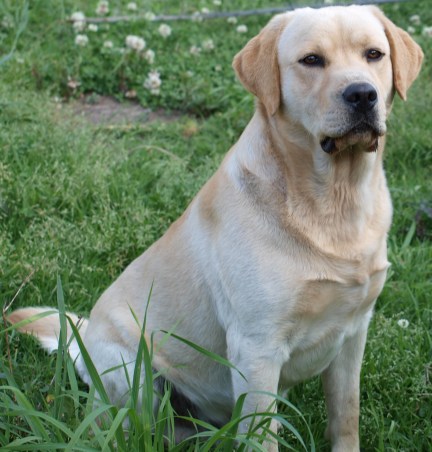
But what about today where many of NZ’s native birds have become extinct or are confined to offshore islands? Perhaps dung beetles are one of the few benefactors of mammal introductions to NZ? We found that NZ dung beetles are also fond of mammal stools, particularly dog poo. Indeed nothing beats a rich, meaty Labrador turd… one certainly ponders the direction one’s life is taking while head-deep in a council dog shit bin…

OLYMPUS DIGITAL CAMERA

Nothing beats a fresh Labrador turd

IMG_0293 Jamie Stavert is a PhD candidate at the Centre for Biodiversity & Biosecurity, School of Biological Sciences, University of Auckland. His MSc research was on dung beetles, but he has switched to smelling flowers and is now investigating how functional traits influence ecosystem function and species’ responses to environmental change in pollination systems. He is supervised by Jacqueline BeggsAnne GaskettDavid Pattemore and Nacho Bartomeus.