An ‘invasive ark’ for genetic diversity?

Posted by Mick Clout

Mick with binocularsA recent paper reveals that introduced stoats (Mustela erminea) in New Zealand have greater genetic diversity than in their native Britain, from where they were introduced in the late 1800s. The results are unusual because introducing a species to a new area is usually associated with a loss of genetic diversity, due to the small numbers released.

The current situation of stoats in Britain and New Zealand is the result of a series of ill-fated attempts at biological control of pests.

Hundreds of British stoats were introduced to New Zealand during the latter part of the 19th century (along with weasels and domestic ferrets) in a failed attempt to control rabbit numbers. Rabbits had previously been introduced to New Zealand for food and sport, but had become agricultural pests. The stoats introduced to New Zealand were ineffective at controlling rabbits, but they spread throughout much of the country and are implicated in the decline of many native birds, including kiwi and kakapo. The swimming ability of stoats has resulted in their colonization of several offshore islands, where they flourish, especially in the presence of introduced mice. Many conservation programmes now include the control or local eradication of stoats, to allow recovery of threatened endemic birds. However stoat incursions continue on some islands from which they have been eradicated. There are now plans for the complete eradication from New Zealand of these and other mammalian predators in the long term.
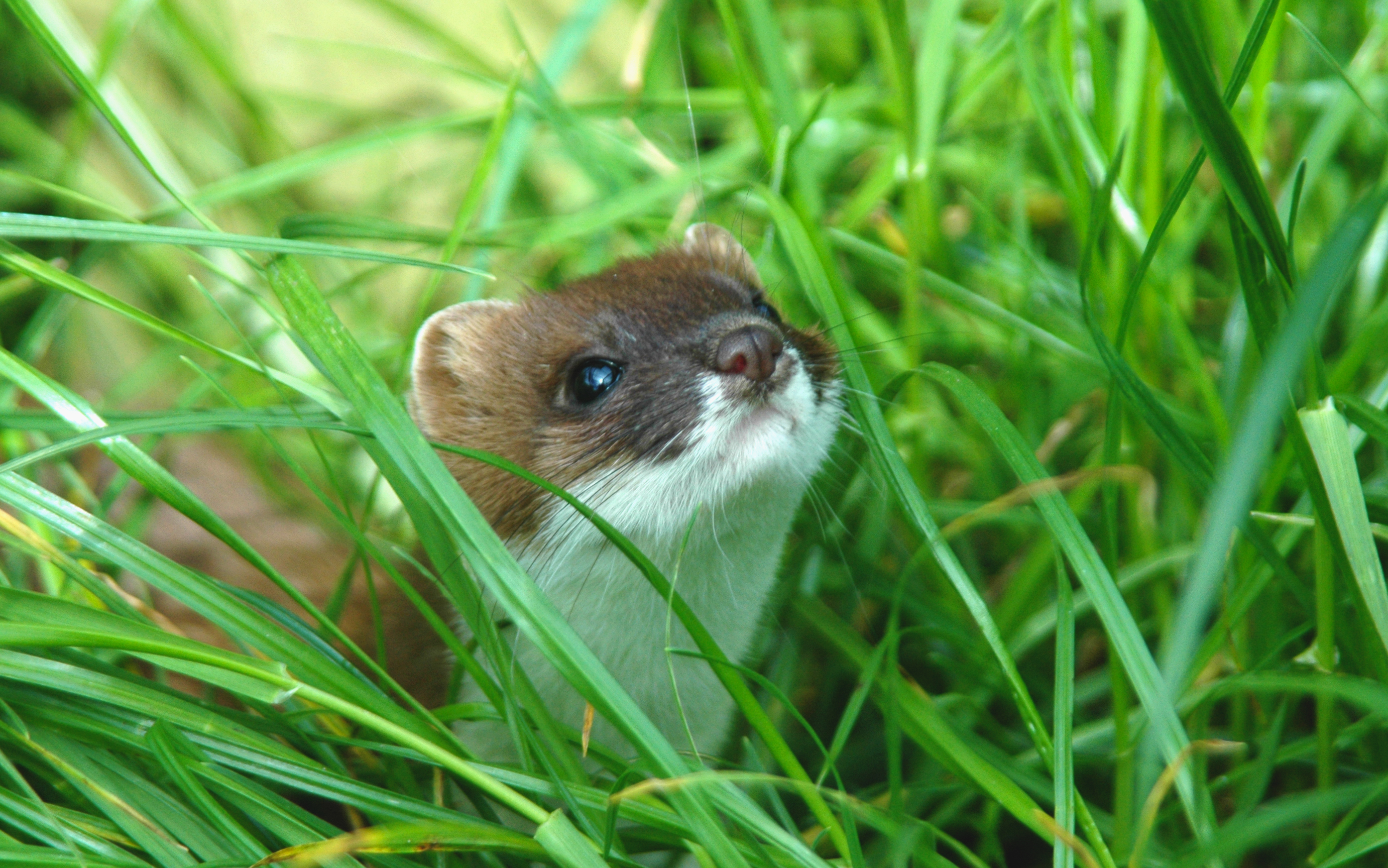
'Stoats have greater genetic diversity in New Zealand than in Britain, but this should not compromise attempts to control this invasive predator in NZ. Photo by Patrick Garvey.

Stoats have greater genetic diversity in New Zealand than in Britain, but this should not compromise attempts to control this invasive predator in New Zealand. Photo by Patrick Garvey.

Several decades after stoats were introduced to New Zealand, the native stoat population in Britain suffered a drastic decline in abundance when rabbits, their main prey there, were decimated by myxomatosis, which was introduced to Britain in the 1950s as a control measure for rabbits.

When the native stoat population in Britain collapsed in the wake of the introduction of myxomatosis, introduced stoats in New Zealand effectively conserved a reservoir of genetic diversity from the original British population.

Paradoxically, the misguided introduction of stoats to New Zealand has created an ‘invasive ark’ for genetic diversity of this species. However, this should not compromise efforts to control or eradicate stoats in New Zealand. Perhaps the British would like them back?

Professor Mick Clout is a vertebrate ecologist at the School of Biological Sciences, University of Auckland. Mick works on the conservation biology of threatened species, such as New Zealand’s native pigeon the kererū, as well as the ecology of invasive mammals, such as possums, hedgehogs, cats, mustelids and rodents. From 1993-2009 he chaired the IUCN Invasive Species Specialist Group (ISSG), a global group of scientific experts on invasive species.

What’s the point of urban ecology?

Posted by Margaret Stanley @mc_stanley1Margaret

What’s the point of urban ecology? This is a question I get asked a lot. Many ecologists believe ‘real ecological research’ occurs outside of city boundaries, preferably the further the better from a city. While the focus of ecologists and conservationists is often on biodiversity outcomes within protected areas or in rural areas, the perceptions and values of city-dwellers disproportionately (in terms of numbers of votes!) influence decision-making around management of biodiversity outside cities. Therefore, the often limited experiences city-dwellers have with nature, such as seeing a tūi in their backyard, can greatly affect biodiversity outcomes. However, we also know that there is an increasing disconnect between people and nature as we become more urbanised. How many city-dwellers have visited a regional or national park in the last year? Reconnecting people with nature in the city not only benefits their mental and physical wellbeing, but can also have positive effects on how they value biodiversity and take action on conservation issues. The 2008 Erfurt Declaration also recognises the intrinsic value of urban ecosystems. Globally, urban areas can be hotspots for biodiversity – cities are often built in very fertile areas, and can be centres of evolution and adaptation.

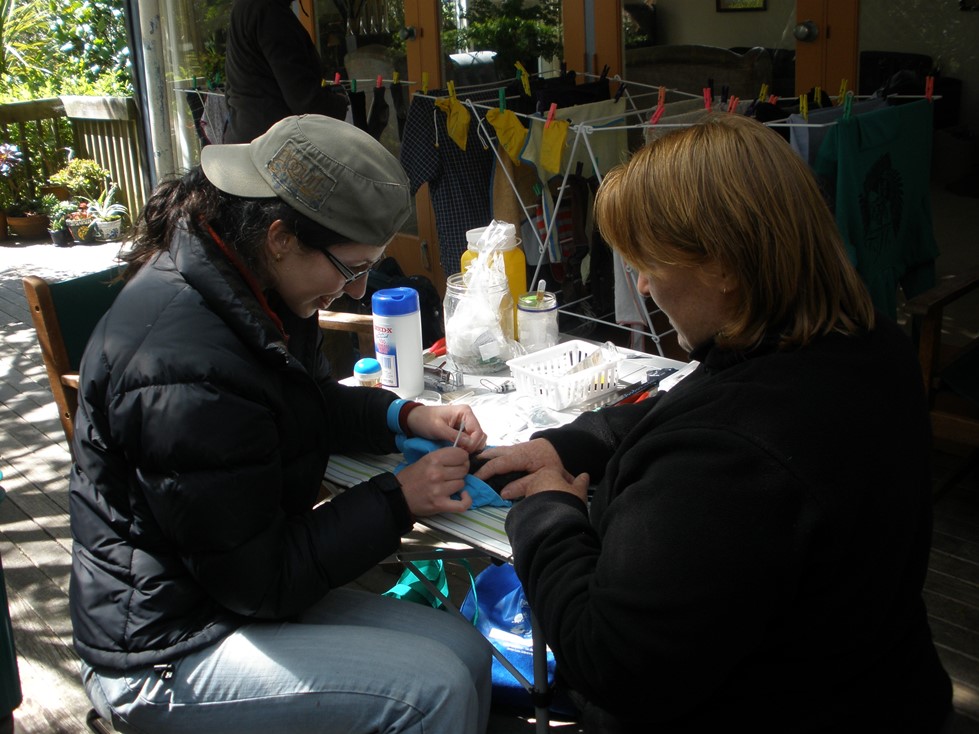
Josie Galbraith’s project on the effects of backyard bird feeding on bird communities. Washing lines for hanging birds bags and deck furniture for banding and microchipping birds are a blessing for the urban researcher!

Josie Galbraith’s project on the effects of backyard bird feeding on bird communities. Washing lines for hanging birds bags and deck furniture for banding and microchipping birds are a blessing for the urban researcher!

There are a range of exciting and interesting research questions to be asked about biodiversity in cities. While some drivers of change are unique to cities, most are just modified versions of what’s happening outside cities (e.g. habitat loss) or are agents of change originating from cities (e.g. pollution, invasive species). My lab group are tackling questions, such as whether people feeding birds in their backyards can restructure urban bird communities, how light pollution might influence ecosystem function (eg. pollination) and how robust connectivity is for bird-dispersed plants within fragmented urban landscapes.

Two of the most frustrating things about urban ecology are: firstly, you can’t escape people (more social scientists please!); and secondly, there are no large, homogenous landscapes in which to put untold replicates. Experiments are critical for untangling drivers and interactions, but conducting experiments in urban landscapes can be very challenging: the high levels of variability over short distances, negotiating access to sites from many landowners/householders, and the high risk of vandalism to equipment. Even the main health and safety fieldwork issues are unusual: domestic dogs and dubious people, rather than getting lost in the bush or being injured far from a hospital. But if it all comes together, the results can be great. Watch this space within the next week or two for PhD student Josie Galbraith’s PNAS paper, where we report on our 18-month bird feeding experiment in suburban Auckland.

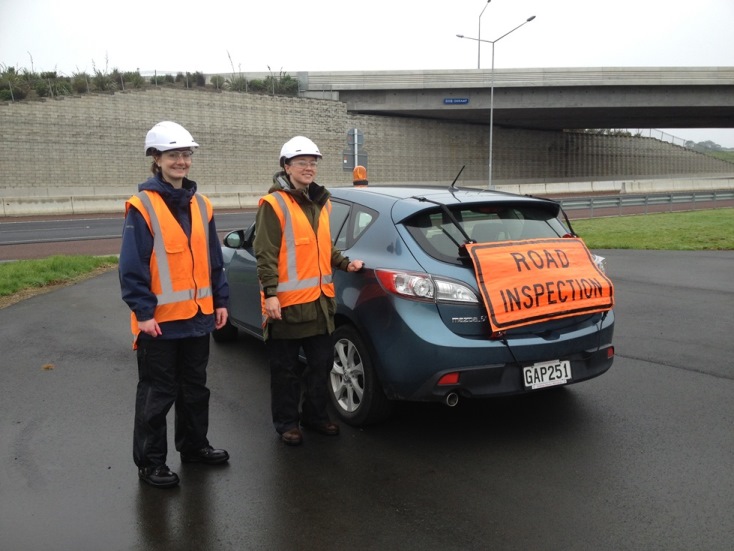
Road ecology research often requires the use of an orange flashing light on your car! Esther Dale (L) and Dr Cheryl Krull (R) during Cheryl’s postdoc research on rodent behaviour around roads.

Road ecology research often requires the use of an orange flashing light on your car! Esther Dale (L) and Dr Cheryl Krull (R) during Cheryl’s postdoc research on rodent behaviour around roads.

There’s also an unfortunate but realistic reason why urban ecology is attractive to ecologists. Science is getting more expensive, funding is declining, offshore islands and national parks are expensive to get students to. Urban ecology is a much better option in terms of science output/$ of funding. And then there’s the unexpected bonus of doing fieldwork in the city – the ability to order pizza for the cold, hungry field crew…

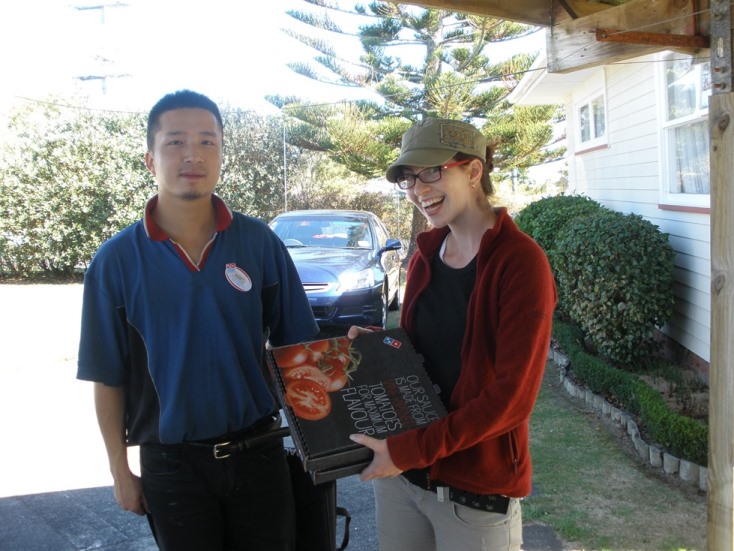
Pizza delivery to Josie Galbraith’s field sites

Pizza delivery to Josie Galbraith’s field sites

Dr Margaret Stanley is a Senior Lecturer in Ecology, School of Biological Sciences, University of Auckland and is the programme director of the Masters in Biosecurity and Conservation. Her interests in terrestrial community ecology are diverse (particularly in terms of taxa), but can be grouped into three main research strands: urban ecology; invasion ecology; and plant-animal interactions. The most interesting and challenging projects are where these three strands overlap!

Vespula wasps inflict widespread economic and ecological damage

Posted by Jacqueline Beggs @JacquelineBeggs

Jacqueline

What do volcanic eruptions and invasive wasps have in common?

Mt Ruapehu erupting. Photo Craig Potton. http://www.prints.co.nz/page/fine-art/PROD/8973

Mt Ruapehu erupting. Photo Craig Potton. http://www.prints.co.nz/page/fine-art/PROD/8973

A recent study estimates that introduced Vespula wasps cost the New Zealand economy at least $130 million per year – equivalent to the estimated cost of the 1995-97 Ruapehu eruption.

The primary sector, particularly farming, beekeeping, horticulture and forestry bear the brunt of the economic impacts of wasps, but an already stretched health sector also shares the burden. The study did not attempt to quantify the economic impact on the tourism sector, although we know that encountering high densities of wasps puts off many people from outdoor recreation. Vespula wasps are invasive in many parts of the world, but New Zealand has the highest recorded density, not exactly our greatest claim to fame. However, I argue that the ecological impacts of wasps are far more damaging than the economic costs.

New Zealand has no native social wasps or bees, so the arrival of two species of Vespula wasp introduced a novel functional group into our ecosystems. I have spent many years studying the impact and control of wasps in South Island forests infested with endemic, honeydew-producing scale insects. Sugar-coated trees are surely a wasp’s idea of heaven. Native birds, lizards, insects and microbes all feed on honeydew, so when wasps monopolise the resource, many native species miss out. Additionally, wasps are predators of a wide range of invertebrates, attack nestling birds, and disrupt nutrient cycling.

Vespula wasps feed by trophallaxis - food gets passed around the colony making it a good target for control.

Vespula wasps feed by trophallaxis – food gets passed around the colony making it a good target for control.

Social insects are notoriously difficult to control – the social structure of colonies, high reproductive rates and dispersal ability makes management at the population level difficult. Biological control of wasps using Ichneumonid parasitoids has not been successful, although there are other potential agents such as Pneumolaelaps mites which might be more effective. Poison baiting using fipronil is very effective, but currently not commercially available. There are other options for wasp control such as pheromones or ‘RNA interference’ technology. Some of these may be developed as part of New Zealand’s Biological Heritage National Science Challenge, but don’t hold your breath for a single silver bullet arriving in time for next summer.

Unlike unpredictable, sporadic volcanic eruptions, I can reliably predict that for now there will be ongoing economic and ecological harm from Vespula wasps in those parts of the world they have invaded.

Dr Jacqueline Beggs is an Associate Professor in Ecology, School of Biological Sciences, University of Auckland.  She has failed to focus on a single topic; her research covers everything from impact and control of introduced invertebrates, to assessing the role of dung beetles and native bees in ecosystem function, and the recovery of grey faced petrels on a restoration island.

What does drought mean for New Zealand’s native forests?

Posted by Cate Macinnis-Ng @LoraxCate

Margaret, Jacqueline and Cate

I don’t know much about Rolling Stone magazine. Like many, I presume, my impression is all electric guitars and rock and roll. So to stumble across one of the most engaging and accurate descriptions of the impacts of the current years-long drought on the forests of California was surprising in the least. The article is well-written and covers the complexities of plant water stress in an understandable way. It also addresses the global problem of drought and what that means for trees. The news is not good but since when did tree physiology become so rock and roll? Well, California is currently in the worst drought on record. Agriculture, food prices and water availability are suffering. The combination of low rainfall and extreme heat is killing forests and woodlands in a climate change double punch. And the situation is similar across the US and in other parts of the world where droughts are becoming more frequent and severe.

Here in New Zealand, we might expect to be buffered from such events. Our maritime climate is often described as mild. Temperatures are neither too cold nor too hot and annual rainfalls are generally more than adequate. Yet droughts are a common feature in the climate of New Zealand and images of browned agricultural areas have become common in the media in recent summers. The summer of 2012-13 was the most widespread and severe in 70 years. With future projections indicating parts of the country will spend more time in drought, there will be measurable impacts on agriculture, the economy and even health.

Cracking soil at the base of a kauri tree on March 2013

Cracking soil at the base of a kauri tree on March 2013

While droughts in New Zealand last months, not years, there is still a real potential for substantial impacts on forested systems. Tree mortality has been recorded in our native forests and there is evidence that trees living in wetter climates may have less of a buffer against dry periods. All forest biomes are equally susceptible to drought mortality no matter what their current rainfall is. If droughts are not severe enough to cause death, other processes and functions may be disrupted. For instance, carbon cycling can be altered and pathogen attack can be exacerbated. Some of the research I’ve been doing with students and colleagues is showing some native species have adaptations for drought survival (here and here) but we need more research to understand the thresholds of water stress, recovery after drought and impacts of subsequent droughts. I’m sure drought research will never reach rock and roll status in New Zealand but we’re certainly working towards improving our understanding of the threat of drought in native forests.

Dr Cate Macinnis-Ng is a Lecturer in Ecology, School of Biological Sciences, University of Auckland.  She is a plant ecophysiologist and ecohydrologist working on plant-climate interactions.

Missing in action since 1921!

by Stephen Thorpe (stephen_thorpe@yahoo.co.nz)

Research Associate, University of Auckland

In 1921, Scutellista caerulea (Fonscolombe, 1832) (Hymenoptera: Pteromalidae) was imported and released in Nelson for the biological control of pest scale insects (Thorpe, 2013). It was thought to have failed to establish. On 17 April 2013, I captured a specimen on vegetation by the pond on the Tamaki Campus, University of Auckland. Despite looking out for adults, I did not see it again until 21 March 2015, when another single specimen turned up (see photos), once again on the Tamaki Campus, just metres away from building 733, where I am based! I shook it out of a garden box of dense Libertia, by the staff shuttle stop (see photo). The question remains unanswered as to whether these specimens are descendants of the 1921 release in Nelson, or else represent a new incursion. The fact that I have only managed to find two specimens in nearly two full years adds some plausibility to the idea that it could have been present in N.Z., unnoticed, since 1921. The proximity of the dates of capture also suggests that there may be a very narrow window of seasonality for adult activity. The species is extremely distinctive. It is a chunky 2 mm long blue wasp, with an enormously developed shield like scutellum, under which it tucks away its wings. Nothing else is like it! The species is known to be a parasitoid of soft scales of the family Coccidae (Badary & Abd-Rabou, 2011), and it would make an interesting project to try to rear it from coccids in Auckland. The Coccidae of N.Z. have been well documented by Hodgson & Henderson (2000).

REFERENCES
Badary, H.; Abd-Rabou, S. 2011: Role of pteromalid parasitoid Scutellista caerulea (Fonscolombe) (Hymenoptera: Pteromalidae) for biological control of the soft scale insects (Hemiptera: Coccidae) in Egypt. Egyptian academic journal of biological sciences, 4(1): 49-58. http://entomology.eajbs.eg.net/pdf/vol4-num1/5.pdf

Hodgson, C.J.; Henderson, R.C. 2000: Coccidae (Insecta: Hemiptera: Coccoidea). Fauna of New Zealand, (41) http://www.landcareresearch.co.nz/publications/books/fauna-of-nz-series/extracts/fnz41

Thorpe, S.E. 2013: Scutellista caerulea (Fonscolombe, 1832) (Hymenoptera: Pteromalidae), new to New Zealand for the second time! Biodiversity data journal, 1: e959. doi: 10.3897/BDJ.1.e959

Scutellista - recently recorded in Auckland after decades of no sightings.

Scutellista – recently recorded in Auckland after decades of no sightings.

A new Australian ladybird for New Zealand!

by Stephen Thorpe (stephen_thorpe@yahoo.co.nz)

Research Associate, University of Auckland

I have only very recently discovered that the courtyard in front of the Human Sciences Building (HSB), on the University of Auckland City Campus, has plantings of all sorts of interesting and unusual exotic plants, some of which have associated insect herbivores. Some cycads there are infested with various scale insects. On these cycads, I have found two adults of a ladybird new to New Zealand. The adult isn’t going to win any ladybird beauty pageants! It is tiny and uniformly black (see photo on left). However, the structure of the head is quite distinctive, especially the reduced antennae, hidden under a shelf (see photo on right). Based on adult morphology, it clearly belongs to the genus Telsimia, which was hitherto not known to be present in New Zealand. Identification at the species level is a bit trickier, but I have tentatively determined it as Telsimia subviridis (Blackburn, 1892), a common Australian species (Ślipiński, Pang & Pope, 2005). Species in this genus are predators of scale insects, particularly armoured scale (family Diaspididae). Larvae of species in this genus are known to have long waxy projections (Park & Yoon, 1993). I have seen three larvae fitting this description in the HSB courtyard (see middle photo), but not on the cycads! The larvae were all on the trunk of an Acacia tree, several metres away from the cycads. I have not seen larvae like this elsewhere.

New ladybird species in town. Left: adult Telsimia ladybird, centre: Telsimia larva, right: close up of adult Telsimia head.

New ladybird species in town. Left: adult Telsimia ladybird, centre: Telsimia larva, right: close up of adult Telsimia head.

REFERENCES
Park, H.-C.; Yoon, I.-B. 1993: Telsimia nagasakiensis Miyatake, an unrecorded species (Coccinellidae, Coleoptera) from Korea, with larval description and biology. Korean journal of entomology, 23(4): 277-281.

Ślipiński, A.; Pang, H.; Pope, R.D. 2005: Revision of the Australian Coccinellidae (Coleoptera). Part 4. Tribe Telsimini. Annales zoologici, 55(2): 243-269  .

Invasive Mosquitoes: current threats, displacement mechanisms and health risks

Posted by Jacqueline Beggs

Distinguished Professor Phil Lounibos (Florida Medical Entomology Lab, University of Florida) visits the University of Auckland in March 2015 and will present a Centre for Biodiversity and Biosecurity seminar on 25 March, 12:30pm, Tāmaki Campus, Building 733, Room 234. All welcome.  Prof Lounibos completed his PhD at Harvard University on silkworm behavior. His interest in insect ecology and behavior flourished in a career focussed particularly on mosquito vectors of human diseases, such as malaria and dengue.  Phil Lounibos

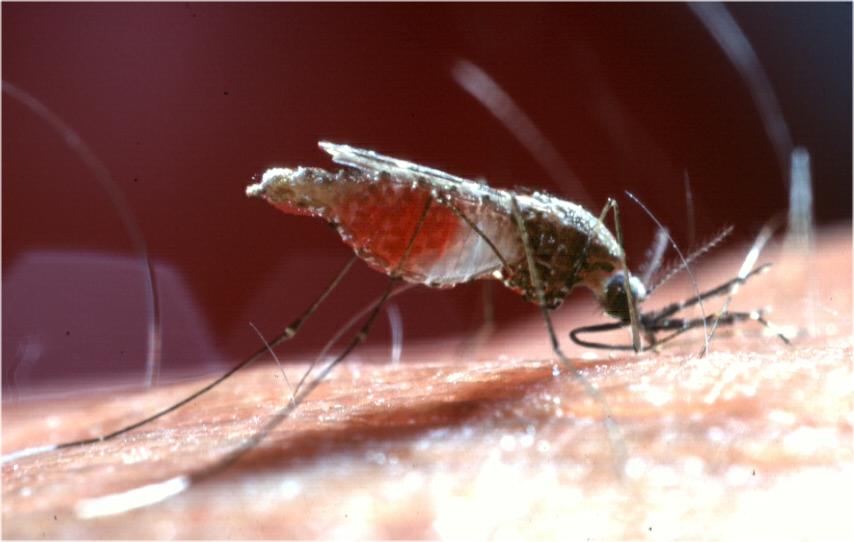
Anopheles darlingi Photo: Phil Lounibos

Anopheles darlingi Photo: Phil Lounibos

Seminar synopsis:
Select mosquito species, especially those adapted to human habitats, have invaded globally, facilitating the spread of pathogens that they may transmit. In recent decades the Asian tiger mosquito, Aedes albopictus, has been an especially effective invader, its establishments and spread in new regions enhanced by competitive displacements of resident mosquito species that occupy a similar niche. This seminar will discuss recent research that identifies asymmetric reproductive competition, a.k.a. satyrization, as the probable mechanism leading to displacements of resident Aedes aegypti in the southeastern USA and elsewhere, by A. albopictus. Invasions and displacements by these two species, the foremost vectors of dengue and chikungunya viruses to humans, have potential public health consequences.

The Paturoa Kauri FAQ

cmacinnisng's avatarCate Macinnis-Ng

On Monday morning (9th March 2015) locals, conservationists and tangata whenua gathered at 40 Paturoa Road to protect a centuries old kauri tree marked for felling to make way for new dwellings on the property. Thanks to the efforts of these dedicated folk, the trees are safe (for now). So what is so special about this tree and why should we care about it being removed? Here I address several important questions about the value and significance of this tree and the surrounding vegetation.

Why are kauri trees so special?

Kauri are amongst the largest and longest-lived trees in the world. Tree enthusiasts travel from across the globe to see these majestic plants. Kauri have a special place in Maori cultural heritage because they are taonga species. They have an important role in the spiritual beliefs of tangata whenua and are viewed as chiefs of the forest and a living…

View original post 654 more words

Many hands make a PhD: working with volunteers

by Renee Johansen (rjoh103@aucklanduni.ac.nz)

Last month I wrapped up the field work for my PhD, which is about the biogeography of fungi which live in the roots of sand dune grasses. I have enjoyed some fantastic travel, collecting roots from multiple sites in New Zealand, Australia, the United States, and the United Kingdom, but what I think about most when I reflect on my experiences is the fun I had working with a huge range of volunteers.

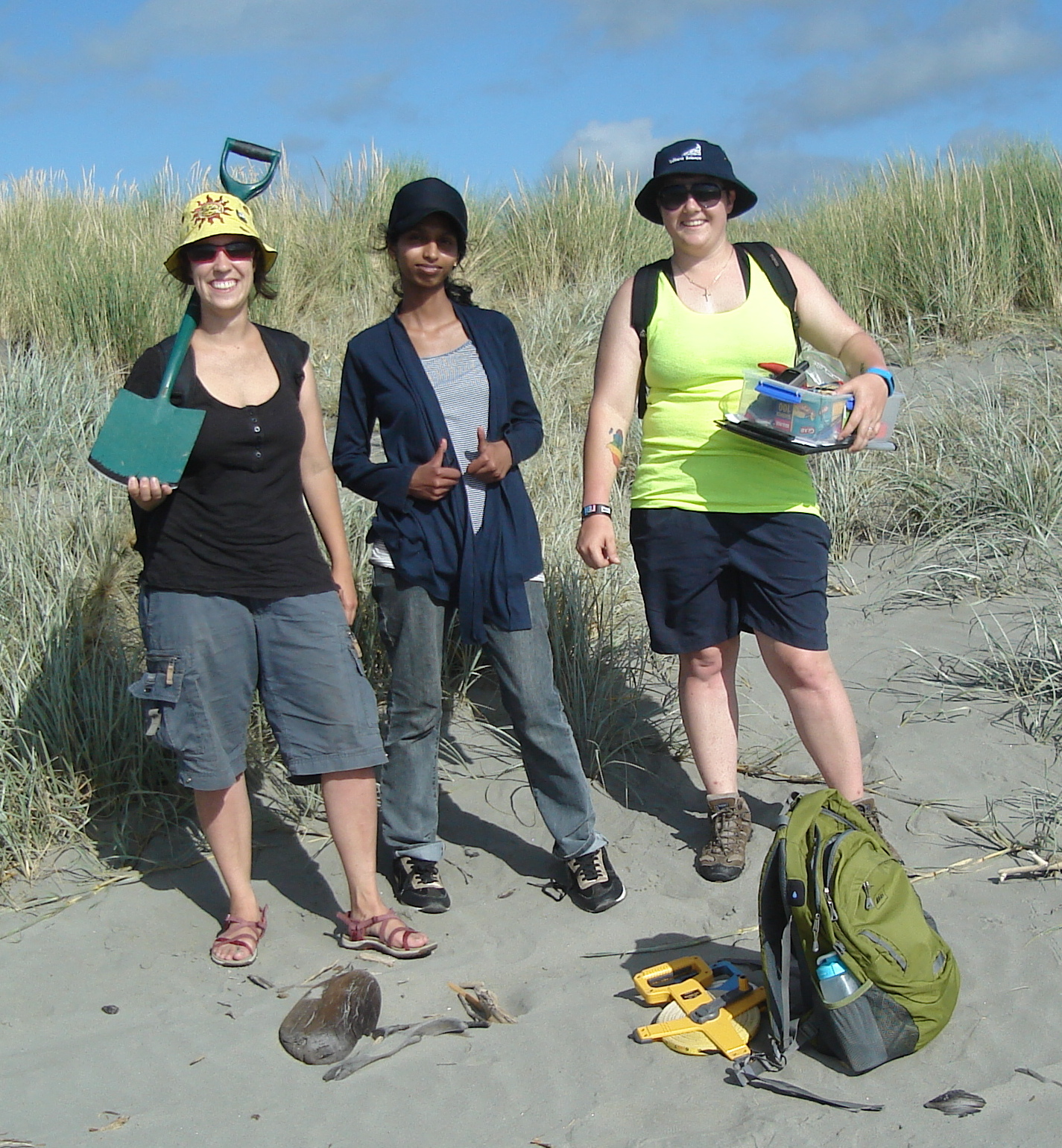
A great day to dig up a dune in New Zealand

A great (but hot!) day to dig up a dune in New Zealand – thanks team!

Not only was this enjoyable, but also essential given budgetary constraints. In addition to spending hours working in often difficult conditions (from full sun in hot temperatures to high winds and rain), some volunteers were incredibly generous, providing food, transport and even accommodation. Often the first time they saw me in person was when I got off a plane, train or bus to get in their car. Help was also given for sample preparation in the laboratory. Some volunteers inspected locations for me in advance and provided photographs. I found many people are interested in engaging in science, even if they don’t do research for a living. Altogether, 42 volunteers (and yes this includes a few friends and relatives!) gave their time to my project in the field and/or the laboratory. And of course my project is just one of many that uses volunteers.

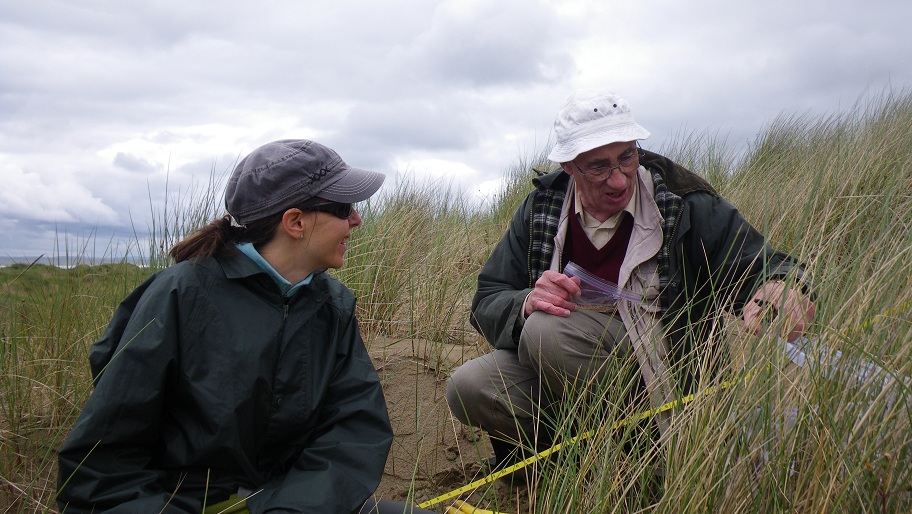
Reaching out to volunteers and engaging their services takes courage and strategy! However I would encourage students to give it a try, particularly if it will expand the horizons of your project. It certainly helps if you have friends or relatives near your field location. Another obvious volunteer source is other students, through contacts of supervisors or perhaps university field clubs.

Discussing sterile techniques with lab volunteers in Liverpool

Discussing sterile techniques with lab volunteers in Liverpool

Undergraduates are often particularly keen, as volunteering can provide experience which helps them obtain post graduate study or work opportunities as well as ideas for their own research direction. Even emailing a lecturer in a relevant discipline can be fruitful – they may contact someone directly, notify their class or even come in the field themselves. Councils or land management organisations sometimes have lists of volunteers or can spare a staff member for a day. I also had the good fortune to work with retired professional biologists who were tracked down through universities and councils. Finally, local naturalist clubs (and their various incarnations such as botany, entomology, ornithology, mycology, etc.) can be very helpful, email addresses are usually available on their websites.

Putting a simple webpage about the project together (even just on your university profile) is a good idea as it can be included with an initial email to provide extra details, and validates your activity. While that vital first email can be short, it should include the basics like roughly when and where the work will take place. Ensure you are clear about skills required (or not required!) Some people lack confidence and think they don’t have enough experience when for my work at least, the ability to move around a sand dune was all that was needed.

Bagging up roots in Wales

Renee and a volunteer bagging up roots in Wales

Once volunteers are engaged, be sure to keep in touch (swap cell phone numbers early on) and plan a reasonable work day that doesn’t exhaust people! Not everyone is used to long days of physical activity. Try to include ‘rain days’ in your schedule so work can be postponed if the weather gets too awful.

Relaxing post-dig in California

Volunteers relaxing post-dig in California

At the start of the day, provide a simple yet thorough explanation of the work being done and why. Don’t be afraid to supervise and offer polite corrections! Take meal breaks and provide snacks if you can. A cold drink on the way home is often greatly appreciated. If staying over at someone’s place or lots of time is given, providing small gifts or meals is a great idea. In some instances it may be appropriate to offer to provide a reference. Following such steps will encourage good working relations between students and volunteers – increasing the chances of successful project completion and a steady stream of volunteers for future students!

More on the new bee (Hylaeus euxanthus)

by Stephen Thorpe (stephen_thorpe@yahoo.co.nz)

Research Associate, University of Auckland

A week is a long time in biosecurity, and there have been two significant developments since my last post regarding a new bee, which has now been confirmed by Ministry of Primary Industries (MPI) as Hylaeus euxanthus.

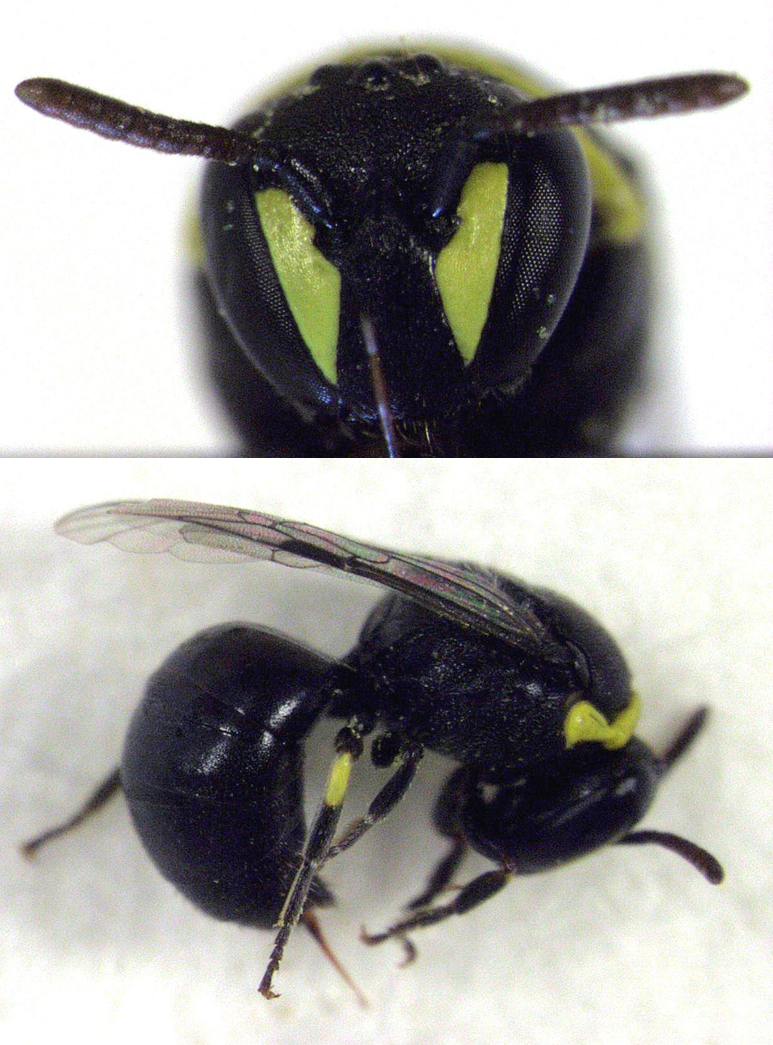
Female masked bee showing lack of yellow antennae and reduced face "mask" compared to male bee (see earlier post).

Female masked bee showing lack of yellow antennae and reduced face “mask” compared to male bee (see earlier post).

Firstly, on 5 March 2015, I finally found my first female bee! It was visiting fennel flowers on the Tamaki Campus. It is strikingly different to the male of the species (see photos).

The first antennal segment is not short, broad or yellow. The face “mask” is very reduced (as expected), and the legs are largely black, except for a conspicous yellow band on the hind pair. It is sufficiently different from the females of the other species of masked bees in N.Z., not to be confused with them.

Secondly, MPI have recently received specimens from two other locations; nearby Point England and Saint Heliers. I think it likely that this is the first season that the bee has been present in any numbers in Auckland, since people evidently are noticing it now. It also suggests that it may currently be restricted to, or at least most abundant in, a relatively compact area of east Auckland. Checking flowering fennel across Auckland would help reveal its current distribution.

Thanks go to Rudi Schnitzler (MPI) for his work on confirming the identification.