Takahē folly

Posted  by Josie Galbraith @Josie_Anya

Among the many New Zealand conservation tragedies of 2015, there is one that stands out for me – the shooting of four takahē (Porphyrio hochstetteri; critically endangered) by members of the local Deerstalkers Association undertaking an authorized cull of pūkeko (Porphyrio porphyrio) on Motutapu Island in the Hauraki Gulf.  It has been the source of much outrage and disgust, particularly in its being wholly avoidable.  It seems impossible that takahē could have been in the line of fire, given that the hunters were instructed to shoot only pūkeko in flight… and takahē cannot fly…

While we wait to see if there will be any consequences for the buffoons who can’t follow instructions, I have contemplated this tragedy, seeking an explanation that is more fathomable.  An explanation that stands to reason when one considers that the hunters were fully informed of takahē presence on the island and supposedly only shooting birds on the wing.

#thePuksAreVerySorry

Galbraith 2016 Goodbye Puk Pie

‘Goodbye Puk Pie’ – Josie Galbraith

Celebrating one year of Ecology Ngātahi

Posted by the Ecology Ngātahi team @AklEcol

Happy_birthday_cake-8

We’re turning 1! Image source: freelargeimages.com

Everybody loves a birthday! It’s a chance to reflect on the year that’s been and make plans for the year to come. Hopefully we are all a little bit wiser too!

 
In the spirit of reflection, we wanted to revisit some of the highlights on the Ecology Ngātahi blog from our first year. Undoubtedly, the stars of the show have been the postgraduate students and their research. The first student post involved Josie Galbraith bringing together urban birds and teenage mutant ninja turtles. Animated characters were a common theme with Ant-Man and Batman also featuring in posts by Anna Probert and Ellery McNaughton.

 
Another popular theme was fieldwork. Sam Lincoln, Sam Heggie-Grace and Julia Kaplick shared their experiences as field ecologists. Other experiences shared were Jamie Stavert’s piece on his time in Europe and Carolina Lara’s piece on her experiences as an international student in NZ. Also, Anna Probert learnt all about ants and had fun doing it on her ant course. These three posts make interesting reading for anyone planning on spending time overseas. Something else any ecologist can relate to is frustrations with R and Jessica Devitt suggested some valuable resources she has discovered.

 
Other more quirky posts included Lloyd Stringer on NZ as a source of invasive species and Rebecca Lehrke’s experiences monitoring swan activity near the airport. Jamie Stavert wrote a fabulous post on the joy of creativity and Alice Baranyovits made a call for citizen scientists to get involved with her kereru project.

 
The most popular post by far was Jacqueline’s piece on kākāpō. It seems everyone loves a good news story! Cate’s tips for scoring a postdoc were widely shared on twitter. Margaret’s blog on the importance of urban ecology was another popular read and Mick explained the strange case of high genetic diversity in NZ stoat population.

 
So, it’s been a fascinating and wide-ranging year. I don’t think we expected to cover so many different topics when we started out last year. We have exciting plans for 2016. We welcome Darren Ward onto the Ecology Ngātahi team and we have a great bunch of new students and great projects. We’ll be continuing with weekly posts to highlight student research and topical issues in Ecology. We have recently launched our youtube channel so do look out for more clips about our research and don’t miss Josie’s animation on the impacts of feeding birds. Another new addition is our publications in a nutshell page where we will be posting brief summaries of new publications.

 
Thanks to you, our readers and followers for engaging with our work. We have had hits from over 110 countries with over 6000 unique visitors (hello world!). We appreciate you taking the time to have a look at the blog and share our stories on twitter and facebook.

 
Tau Hou hari! Happy new year!


Potential threats on the horizon for urban ecosystems: the top 10

Posted by Margaret Stanley @mc_stanley1

In an earlier blog (What’s the Point of Urban Ecology?), I talked about the importance of urban ecosystems – both for connecting people with nature, and for their intrinsic values. Cities can be biodiversity hotspots!

Maximising biodiversity in the streets of Paris

Maximising biodiversity in the streets of Paris

There are the usual suspects that come to mind when we consider threats to urban biodiversity: human population increases, intensification, climate change, etc. But are there any new threats on the horizon that we should be looking out for in cities? With this in mind, we applied for funding for a horizon-scanning exercise to identify emerging threats in urban ecosystems (thanks CBB!). Horizon-scanning is a systematic search for issues that are not widely recognised – either in the research literature or in policy.

In January of this year, we brought together 12 participants from Australia, UK and New Zealand for the horizon scanning workshop. We based the workshop on the well-known conservation horizon scanning workshops led by Prof. Bill Sutherland. Before coming to our workshop, we used our professional networks to gather ‘emerging threats’ from colleagues in science, policy and management. During the workshop, we explored, debated and ranked the 137 potential threats that were suggested by the global experts.
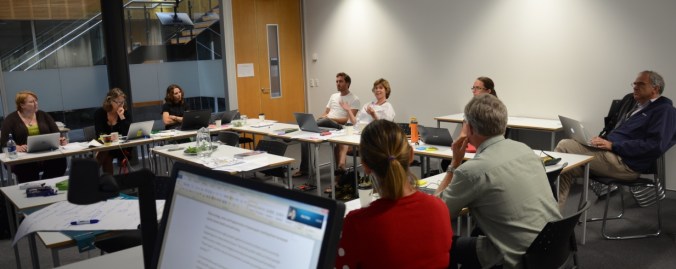
Debating the issues during the horizon-scanning workshop

Debating the issues during the horizon-scanning workshop

The key to this exercise was to identify threats that were truly on the horizon, rather than one of the ‘usual suspects’. It was remarkably difficult to really pull out those ‘good grief’ moments as Prof. Kevin Gaston called them – the potential threats that truly surprised us. The workshop was a refreshing opportunity to do something we scientists rarely get an opportunity to do – delve into issues completely outside our knowledge set. Who would have thought we’d be trying to figure out what human ‘cremains’ are composed of? Or google-searching ‘self-healing concrete’?

The paper resulting from the workshop has been published in Frontiers in Ecology and the Environment. The final list of potential threats (see below) included advances in technology, as well as issues around how people are using green spaces. It is important to recognise that although we’ve identified potential threats associated with new technology, some of these new technologies also bring a range of environmental benefits (e.g. solar panels). The main purpose of horizon scanning is to identify potential threats early, so we can assess whether they really are a threat, and if so, mitigate the threat proactively. It’s possible that just ‘tweaking’ a piece of technology would reduce its impact on urban biota, while maintaining its effectiveness.

 So what’s next on the horizon?

Ecologists are often accused of being negative (or even “scare-mongering” to quote a journalist who interviewed me this week) – perhaps our next horizon-scan should search for emerging opportunities for urban ecosystems. That sounds like a much more inspiring workshop!

 In the meantime, we hope to inspire researchers to explore how much of a threat these 10 issues are, and to inspire policymakers and managers to look ahead to threats on the horizon.

 TOP 10 Potential threats:

Atlanta beltline

Maximising biodiversity in the streets of Paris

Health demands on greenspace: As more people are encouraged to use green urban spaces for exercise, these spaces can become highly maintained for people rather than wildlife; with more tracks, artificial lighting and fewer plants.

Figure 2bDigital replacement of nature: There is a risk that nature in cities could be replaced with digital equivalents of nature, such as images and sound recordings. This gives people some of the benefits of nature, but without the maintenance and messy side of nature, however it could lead to city dwellers undervaluing nature in their immediate environment.

 Scattered cremains (material resulting from cremation): There has been a growing trend for cremation as space for burial of human remains is at a premium. However, in some cities land for interring cremains has become very expensive and scattering cremains has become more culturally acceptable. Because of high levels of phosphate and calcium in cremains, there is a risk of polluting urban ecosystems and waterways.

 Figure 3cSpread of disease by urban cats: Globally, there are now more than 600 million pet cats, and the increase in pet cat ownership is resulting in the disease toxoplasma spilling over into wildlife populations, in urban areas as well as to species in more remote locations, such as the endangered Hector’s dolphin.
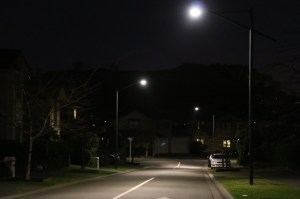
Figure 4aSwitch to LED lights: Cities across the globe are switching their lighting technology to LED lights. However, the whiter spectrum of LED lights overlaps with the visual systems of wildlife and can disrupt their physiology and behaviour.

Solar cities: Many cities are implementing city-wide solar panel installation programmes. However, solar panels can disrupt the behaviour and reproduction of animals that are attracted to the polarised light they produce.

 Nanotechnology: Nanoparticles (e.g. graphene) are now an increasing but invisible part of cities, found in everything from smartphones to clothing. However, there has been almost no research on the effects of these particles on animals, plants and entire ecosystems.

 Figure 4cSelf-healing concrete: This is a new concrete product infused with specialised bacteria is about to be commercialised. If use of this product becomes widespread, it could spell the end for the often unique biodiversity that currently manages to thrive in cracked concrete all around cities.

Energy efficient homes: Many countries are implementing large-scale retrofitting of buildings to make them more energy efficient. However, this effectively seals the building off from the outside, resulting in loss of breeding sites for wildlife such as bats and nesting birds.

Drones: The recent popularity of using drones (unmanned aerial vehicles) in cities is likely to result in issues for wildlife, such as nesting birds, which are particularly sensitive to stress and repeated aerial disturbance.

 Click here for the paper:

Stanley MC, Beggs JR, Bassett IE, Burns BR, Dirks KN, Jones DJ, Linklater WL, Macinnis-Ng C, Simcock R, Souter-Brown G, Trowsdale SA, Gaston KJ. (2015). Emerging threats in urban ecosystems: a horizon scanning exercise. Frontiers in Ecology & Environment, 2015 13(10): 553–560, doi:10.1890/150229

 Ecology Ngātahi members Jacqueline Beggs and Cate Macinnis-Ng were part of the Horizon-scanning exercise and are co-authors on the paper.

me2small Dr Margaret Stanley is a Senior Lecturer in Ecology, School of Biological Sciences, University of Auckland and is the programme director of the Masters in Biosecurity and Conservation. Her interests in terrestrial community ecology are diverse, but can be grouped into three main research strands: urban ecology; invasion ecology; and plant-animal interactions.

Teenage mutant ninja ecological research

aucklandecology's avatarEcology Ngātahi

Posted by Josie Galbraith

Pizza!What does it take to pull off a successful project in the urban jungle? The short answer is courage and people… pizza helps too. Last week I (along with my PhD supervisors) had a paper published in the Proceedings of the National Academy of Sciences (PNAS) – Supplementary feeding restructures urban bird communities. This was a big milestone for me, but also hugely important for getting urban ecological research and the practice of bird feeding into the spotlight. Urban ecology has only relatively recently become a thing – before then it was just a clandestine notion, whispered in dark corridors and laughed at at meetings of ‘real’ ecologists. Now though, the urban environment is a place where real ecological science happens. Bold, brave, big science! It certainly takes a great deal of courage to plunge into the ocean of urban ecological research. It is awash…

View original post 588 more words

We are not afraid

Vincent Hulin, Paris, 14/11/15. Free translation.

Vincent Hulin, Paris, 14/11/15. Free translation.

franckcourchamp's avatarBiodiversity Dynamics

Today, we wondered: why here? Why Paris?
It’s because you, the moron hidden thousands of kilometers away, well concealed while you send empty heads blow themselves up in your place, you know that here, we are everything you hate
.
You know that within a few minutes, all doors will open in Paris for everyone to find refuge
.

You
knowthatfiremen,police officers,soldiers, nursesanddoctorswill rush into saveliveswhileriskingtheir own.

Youknowthat,the next day,everyonewill mass in hospitals to givetheirblood.
Youknowthatthe very evening, candleswill be lit by thethousandsat ourwindows.
Youknowthatwe will continue to welcome the refugees that youabuseinyourown country.
YouknowthatVirginiewill explainas much asshecanthatyouare…

View original post 350 more words

The adventures of a roboswan: Using technology to collect ecological data

Posted by Rebecca Lehrke @rmlehrke

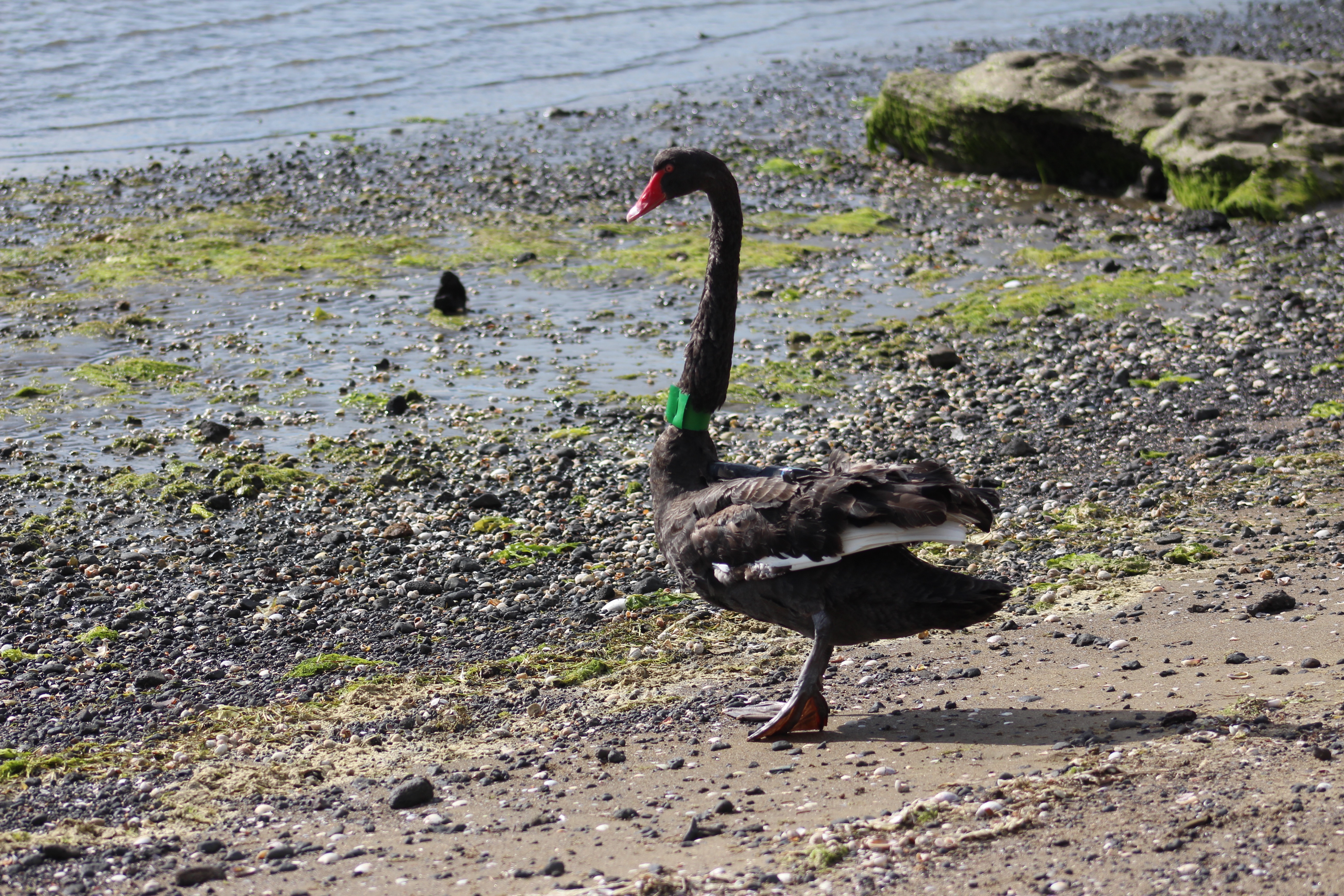
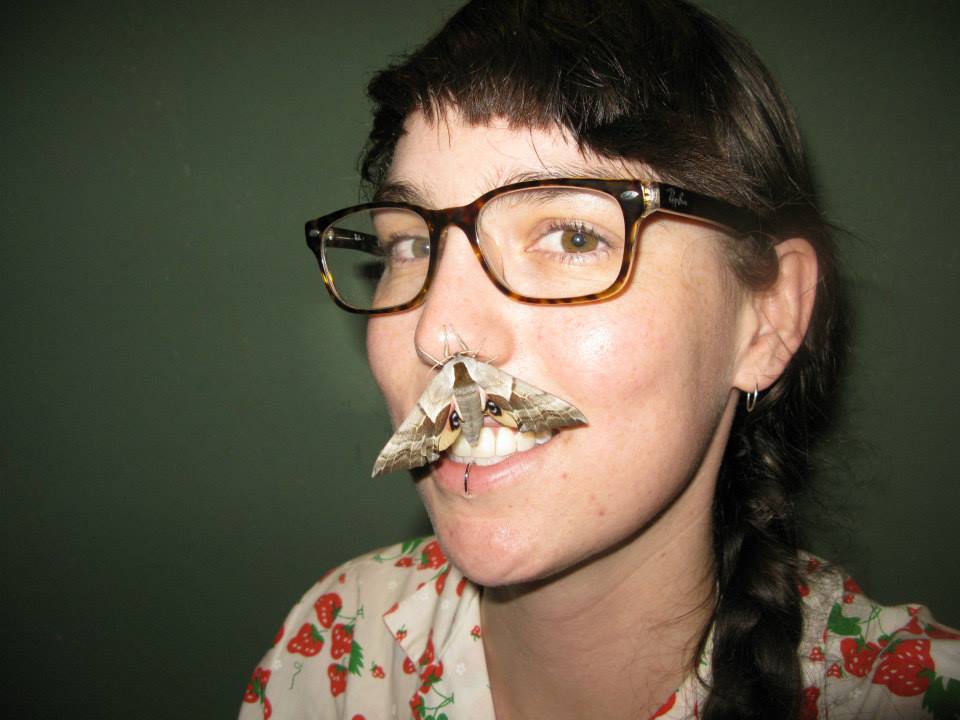
Hello there, today I would like to introduce you all to my friend S5, the roboswan.

Not S5: but even I’ll admit S5 looks a lot like S7 (shown above) so you get the idea

Not S5: but even I’ll admit S5 looks a lot like S7 (shown above) so you get the idea

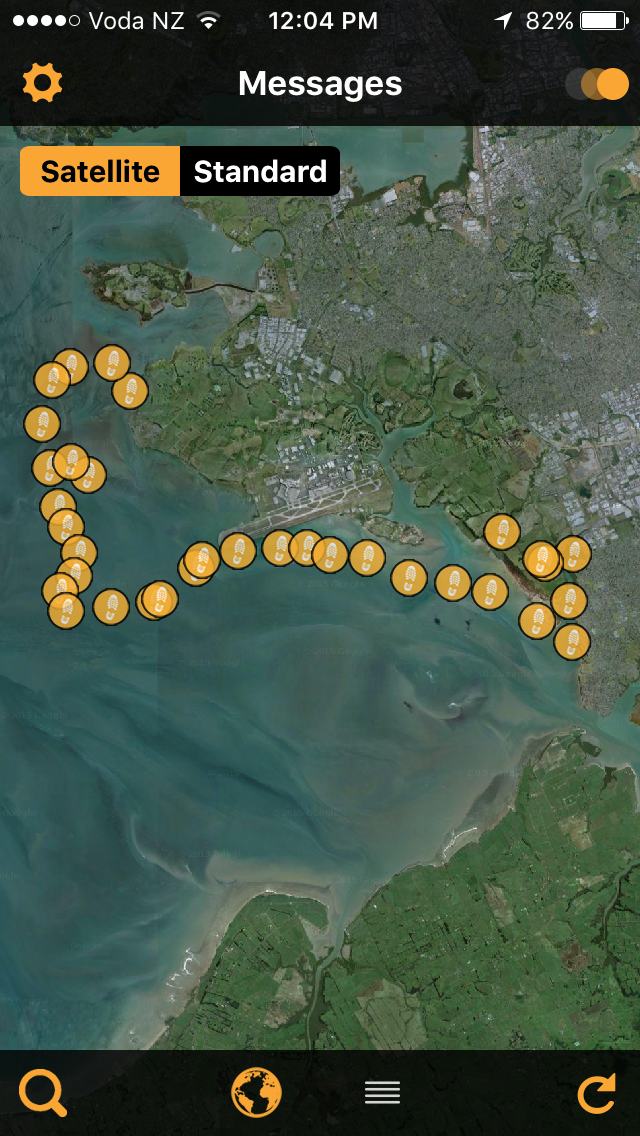
Yes I know that name is not very creative but I’m sure this bird will still peak your interest. S5 is not like other birds of its kind. Unlike other swans in my study, S5 likes to travel, likes an adventure. At the exact moment I am writing this (from the comfort of my home), I am also checking on S5, and yes, this swan is still on its adventure, hanging out in a freshwater inlet near the Manukau end of the Auckland Airport. S5, like all the birds, in my study are special. They all have remote-download GPS tracking devices attached to them. This means I can see where they are every five minutes.

The adventures of S5 - the live feed of GPS locations for S5 in the Manukau Harbour shown through an app on my phone

The adventures of S5 – the live feed of GPS locations for S5 in the Manukau Harbour shown through an app on my phone

It’s not often that as an ecologist you can check in on where your study animals are from an app on your phone while you write a blog post in your lounge. As I have explained in a previous blog post my research involves using tracking devices to look at how the movement and location of black swans changes in response to management at the Auckland airport.

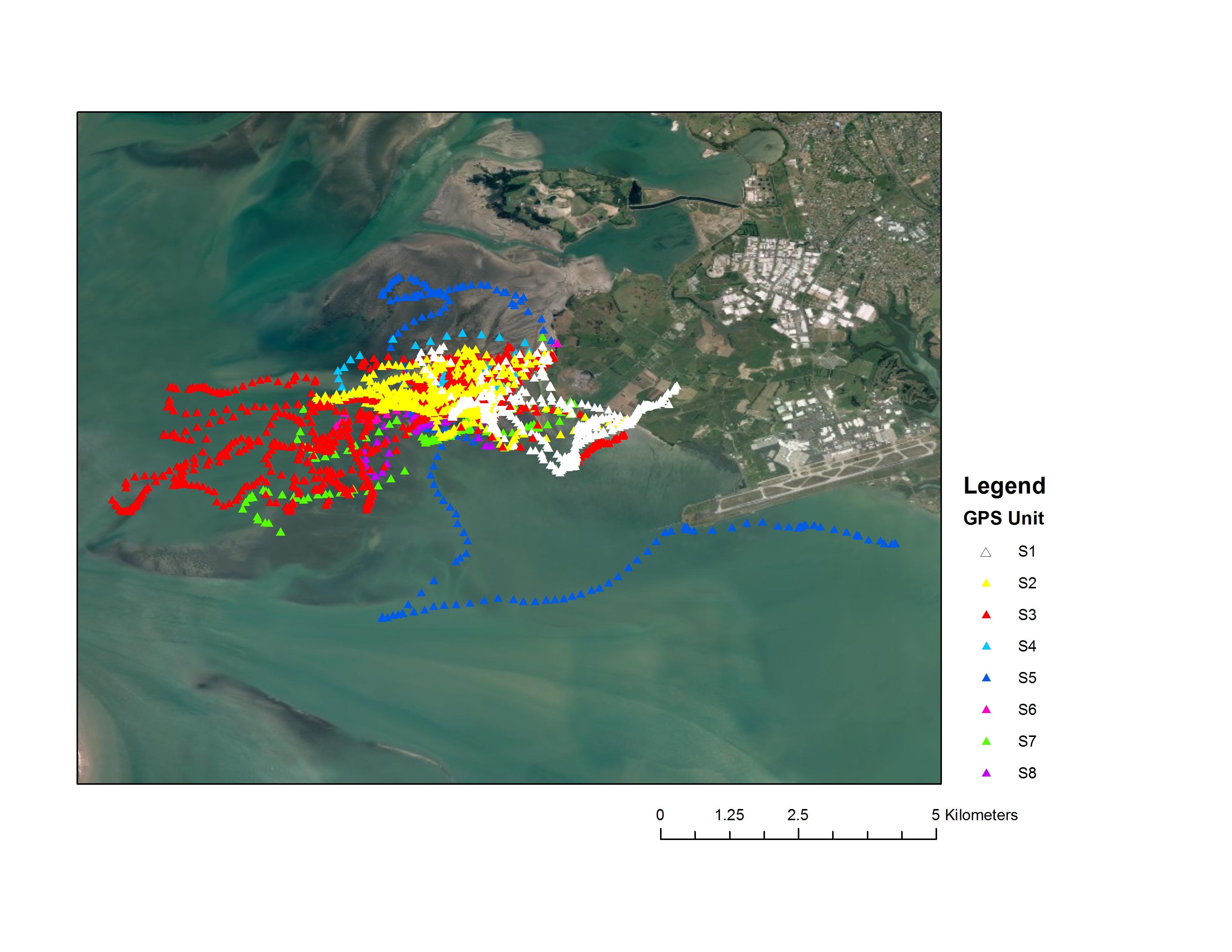
I have had the opportunity to work with some pretty amazing, and cutting edge technology for this study. We are using remote-download GPS tracking devices, which allow me to get a continuous stream of movement data on a number of swans around the airport. It is certainly fascinating and insightful already and we have only just started getting data.

Of course with great power comes great responsibility, so they say. Now that I have my data coming in, I have to start analysing it, and there’s a lot of data to work with! But at least I can check in on S5 each night and imagine what adventures its had while moving around the harbour.

A lot of data - raw GPS locations from less than a week for my eight study birds in the Manukau Harbour

A lot of data – raw GPS locations from less than a week for my eight study birds in the Manukau Harbour

RebeccaRebecca Lehrke is an MSc student in the Centre for Biodiversity & Biosecurity, School of Biological Sciences, University of Auckland. She is using movement ecology to assess the efficacy of disturbance-based management of black swans at the Auckland Airport. She is supervised by Todd Dennis and Margaret Stanley.

A middle finger to standardisation

Posted by Jamie Stavert @jamiestavert

I utterly loathed the final years of school. This wasn’t because of any social ineptness – I made lots of wonderful friends, many of whom I’m still close with today. Secondary school gradually dissolved my intrinsic creativity. The learning experience (or lack thereof) was frustrating and painfully mind-numbing. Learning became focused on the regurgitation of material for seemingly endless assessment. The extent of my creative experience was conjuring up evil and outlandish pranks to torment humdrum geography teachers. In stark contrast, primary school provided a perpetual banquet of creative opportunities. There was art, music and writing, and the freedom to ask absurd questions about the world. Since starting a PhD I feel as if I’ve returned to childhood – rediscovering my creative freedom in an endeavour to answer intriguing questions. But unfortunately most people don’t get this opportunity.

So why does creative and enquiry based learning suddenly disappear from the education system? Why does the learning environment suddenly change from warm and nurturing to cold, competitive and assessment focused? Is this why the intrinsic compulsion to learn, that all humans have, disappears in so many people?

Children are curious and have strong sense of wonder about the world

Children are curious and have strong sense of wonder about the world

I think Sir Ken Robinson has the answer. Sir Ken’s recent book Creative Schools (you should all read it and watch his Ted Talk!) draws some fascinating parallels between industrialisation, modern agriculture and the education system. I found this analogy particularly captivating given my learning experiences at school and my research interests around the impacts of agricultural intensification on ecosystems.

So the story goes: industrialisation facilitated the intensification of agriculture, which dramatically increased food yields, fueling growth of the human population. However, this has had massive implications for natural ecosystems, resulting in widespread biodiversity loss and decline of critical ecological functions and services (e.g. Cardinale et al., 2012). Key industrial principles are conformity and compliance. In industrial systems, processes are linear and production is driven by market demand. The ultimate objective is to produce large quantities of identical versions of the same product. Like industrialised agriculture, modern education is constructed around these industrial principles and focuses on output and yield. This is despite the fact that, like ecosystems, human intelligence is profoundly diverse and dynamic. By its very nature the industrial model rejects diversity and creative freedom.

Industrialisation has driven the expansion and intensification of agriculture

Industrialisation has driven the expansion and intensification of agriculture

Simple ecological concepts span both biological and education systems. The loss of diversity reduces productivity and resilience (e.g. Naeem & Li, 1997). Agricultural and educational industrialisation has benefited a select few people/species with particular traits, that allow them to thrive under such conditions. But this is at the expense of diversity. If we continue down this path, we lose adaptability and resilience to societal and environmental perturbations.

In a rapidly changing world, where demand on natural and human resources is increasing faster than ever, it is critical that we promote and cultivate diversity and creativity. As Sir Ken puts it “education is only really improved when we understand it is a living system too”. Perhaps the only way to combat the daunting environmental challenges caused by industrialisation is to reject the industrial model itself, at least in our education system.

IMG_0293Jamie Stavert is a PhD candidate in the Centre for Biodiversity & Biosecurity, School of Biological Sciences, University of Auckland. He is investigating how functional traits drive the biodiversity-ecosystem function relationship and response to environmental change in pollination systems. He is supervised by Jacqueline Beggs, Anne Gaskett, David Pattemore and Nacho Bartomeus.
Bush mad in the city

Posted by Samantha Lincoln @slin247

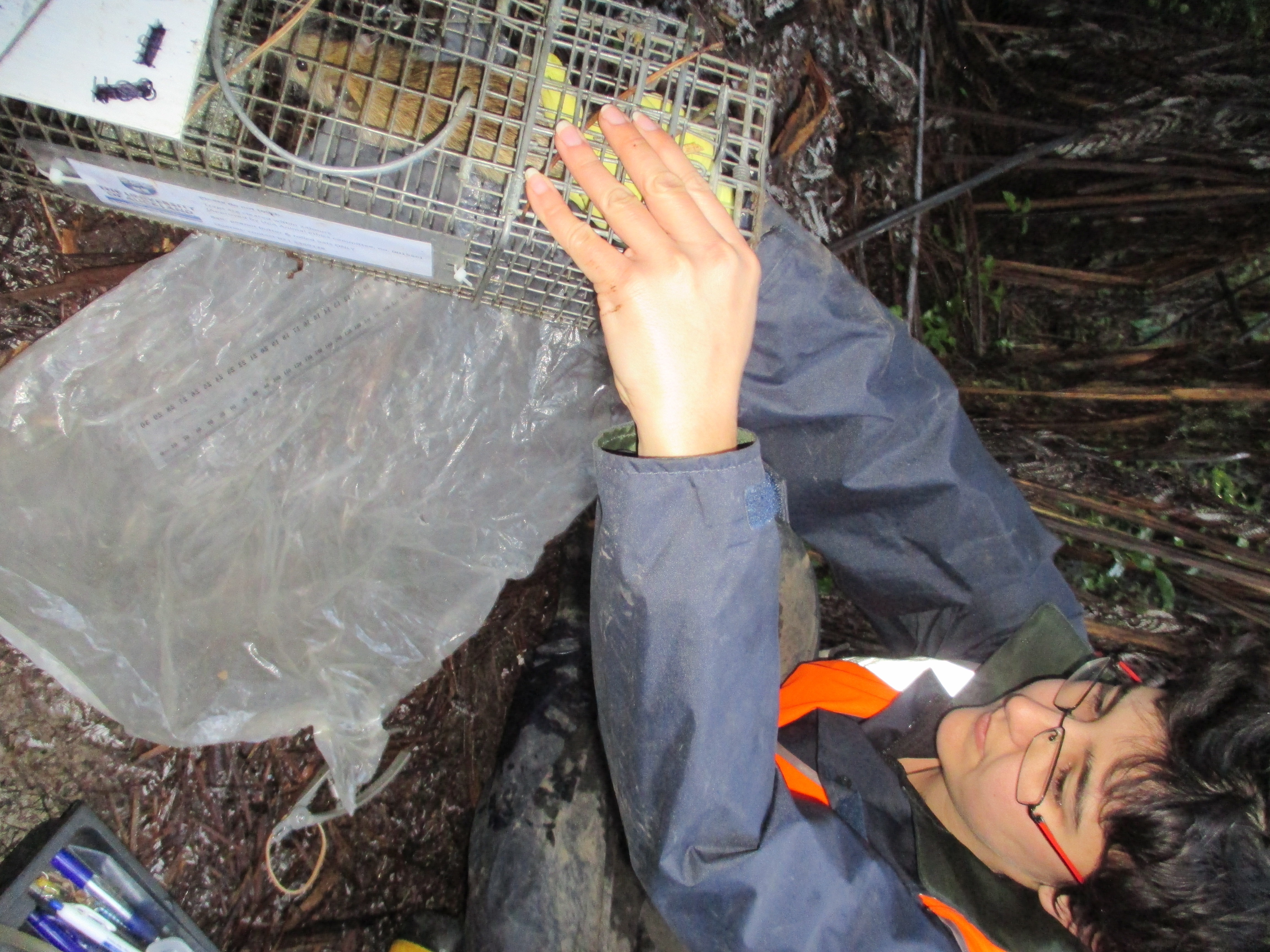
Over the course of this year I have been undertaking intense field work across some of Auckland Councils public parks. Urban ecology is inherently strange; emerging sweat-soaked from a long day’s work, and carrying a small colony of beetles in your hair onto a main road whilst startling local dog walkers and being serenaded by Auckland Zoo’s primates. While not as idyllic as disappearing to the mountains for a week, urban ecology is incredibly important when most of our human population is urban. Connecting with nature is undeniably important for our wellbeing.

Auckland has hundreds of public parks of all sizes, both without and without maintained walking tracks as I have discovered. They are refuges for native species in the middle of our manicured city, but how well do we really look after these spaces? During my field work my volunteers and I have found a range of debris: backyard clippings spreading weeds, Victorian inkwells, a year’s supply of newspapers courtesy of a lazy paperboy, shelters built by those with nowhere else to turn (a growing issue in Auckland) and a pile of books featuring a bunny not often seen during pest control.

Live capture of a rat during a capture-recapture study

Live capture of a rat during a capture-recapture study

As Auckland city grows, more pressure is being placed on these biodiversity refuges and how we value and care for them becomes more important as was noted last month. Will we value and nurture these green spaces, or will they fail under the pressure? Will we continue to use them as personal rubbish dumps, or will we take interest in the other species that use these spaces? I will be a science advocate – we can all lend our voices. To me nothing beats the feeling of following a fantail nest from first cheeps to first awkward flight, as I make my daily visit to the rat trap at the tree’s base.

Sam Ln webSam Lincoln is an MSc student in the Centre for Biodiversity & Biosecurity, School of Biological Sciences, University of  Auckland. She is trying to disentangle interactions between domestic cats and rats in urban environments. She is supervised by Margaret Stanley, John Innes and Al Glen.

Anna went to Ant Course

Not a bad place to be conducting field work (Chiricahua Mountains, Arizona)

Not a bad place to be conducting field work (Chiricahua Mountains, Arizona)

This August, whilst those back in Auckland endured the worst of winter, I popped over to Portal, Arizona, to participate in the one and only Ant Course. The 10 day course, run by Dr Brian Fisher from the California Academy of Sciences, is a workshop designed for those researching various aspects of ant biology. Run at the Southwestern Research Station in the Chiricahua Mountains, the area boasts the richest ant fauna in North America. Although Ant Course focuses on the evolution, classification and identification of ant genera, a broad range of ant biology was taught, meaning I came back home with a new myrmecologist skill-set.

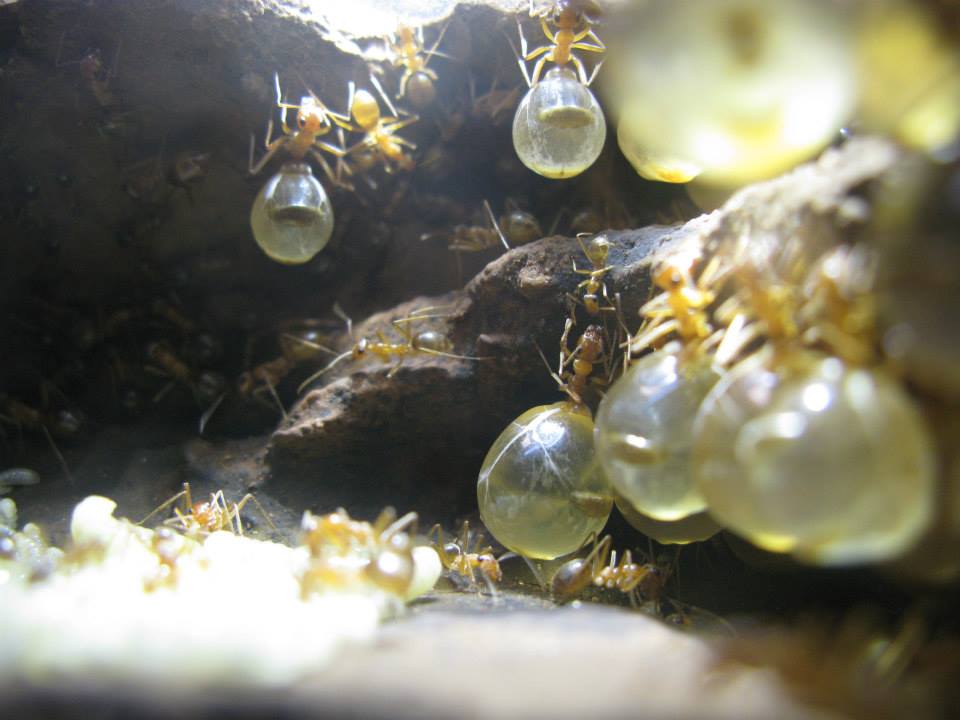
Digging for honeypot ants

Digging for honeypot ants

One of the first tasks we were given was to dissect an ant, which is, well, about just as difficult as dissecting an ant sounds. Fortunately microscope work was broken up with collecting trips in the field which also demonstrated various sampling methods as well as a seminar series covering topics from systematics to ant behaviour and invasive ant research. As such, we covered many different aspects of ant research and were introduced to some amazing people conducting exciting research in the ant world. Some of the attending students even worked together under the guidance of Dr Adrian Smith to create videos on various research areas of ant biology, which you can view here.

Honeypot ants

Honeypot ants

Cowboys by sunset at the local rodeo

Cowboys by sunset at the local rodeo

Vinegaroon!

Vinegaroon!

Although the work at Ant Course was hardly tiresome (I do wish every day was Ant Course), we had time to relax in the pool and were even fortunate enough one night to visit a local rodeo and meet up with some real-life cowboys. And ants aside, the area is host to a diverse range of animals (native mammals!, snakes and other neat reptiles, birds the size of moths, bats all over the place), which I took great delight in spotting. Perhaps my favourite activity was turning over rocks at night looking for vinegaroons.

I’m back in Auckland now and waiting for the weather to buck up a bit, so I can putwhat I learnt to practise with my upcoming field season!

Oh, and I’m now signing off as Anna the Antbassador. Cheerio!


Anna Probert is a PhD student in the Centre for Biodiversity & Biosecurity, School of Biological Sciences, University of Auckland. She is using ants as a model to assess the risk posed by exotic invertebrates to native ecosystems. She is supervised by Margaret Stanley, Jacqueline Beggs, and Darren Ward.

Ode to R

Posted by Jessica Devitt

No face

R, many a poem I have written

About our tumultuous relationship-swaying from completely smitten, to recoiling, as though I had been bitten,

Your powers of statistical analysis have had me speechless and in awe, but then you misunderstand me and now I am angry and raw,

One day we click, the next I have lost my wick thinking you are a complete…well you get the picture.

The above poem is a more measured example of my current love/hate relationship with the statistical software programme called R.

R began its development in the early 1990’s right here at the University of Auckland.  This programme is incredibly powerful, with the ability to compute huge datasets, administer an astonishing range of analyses and it is free!  The community surrounding R continue to develop new packages that you can easily install for basically any type of data analysis, manipulation and mining that you could imagine.  And this is fantastic!

Desk flip

However, with a heavy head I have to now insert the ominous ‘BUT”.  For a layperson like myself, with mediocre statistical understanding it can be a daunting undertaking to feed in your painstakingly gathered data, ascertain what statistical analysis to do and then make that happen in R.  Further, the all-important, “do you want graphs with that?” is a whole other story.

R is run using programming language, specifically text-based ‘S’ language, thus you need to write exactly what you want it to do in the language that it ‘understands’, and like learning any new language, this is a relatively slow process, especially when some of the language terms seem counter-intuitive.

This is not a story of failure however, this is a story of redemption, as I had never used the program before and now I can.  For someone that was not ‘bright enough’ to sit School Certificate maths (now NCEA Level 1), who cried at my math tutor’s house once a week and vehemently declared that “I will never be good at maths”!  I can now run a range of tests, understand (mostly) the output and have a fair idea of what to do when the dreaded red error writing is returned.  I have achieved this through the help of my peers, excellent sites such as Stackoverflow, Statmethods and a range of journal articles, books and just good old Google.

Happy computer

The moral of the story here is: don’t be scared off by R, it is worth the initial, and at times reoccurring frustration, and if I can do it anyone can.

Helpful Information

Rlogo R Software: https://www.r-project.org/

UNi logoUniversity of Auckland: https://www.stat.auckland.ac.nz/en/about/our-research/software-development/sw-the-r-project.html

Books

Logan, Murray.  Biostatistical design and analysis using R: a practical guide. John Wiley & Sons, 2011

 De Vries, A., & Meys, J. (2012). R for dummies. John Wiley & Sons.

Jessica jessDevitt is a MSc student at the Centre for Biodiversity & Biosecurity, School of Biological Sciences, University of Auckland. She is researching the potential host-range of the hadda beetle in Auckland to assess how it might impact on native ecology. She is supervised by Margaret Stanley